The life of Hans Holbein the Younger
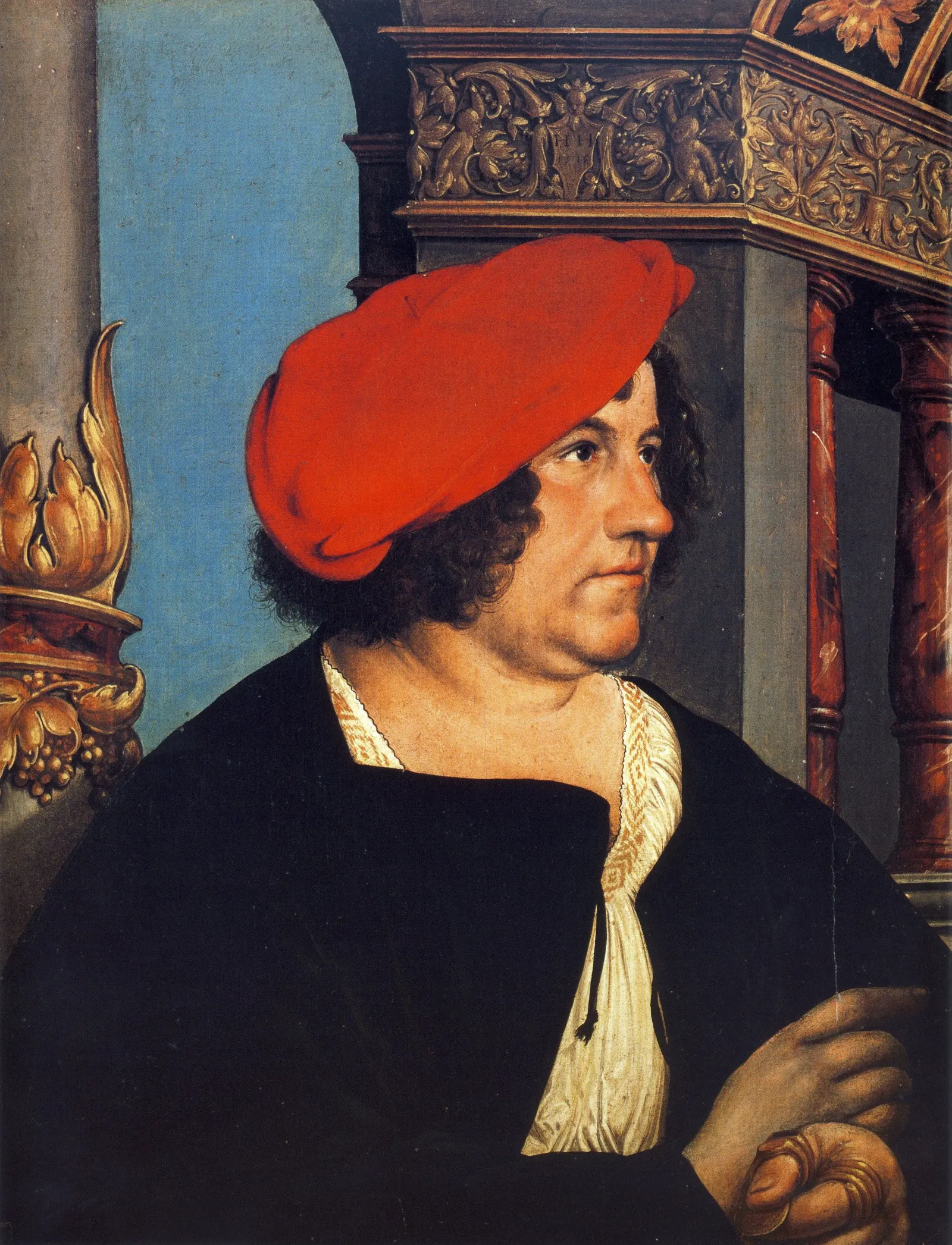
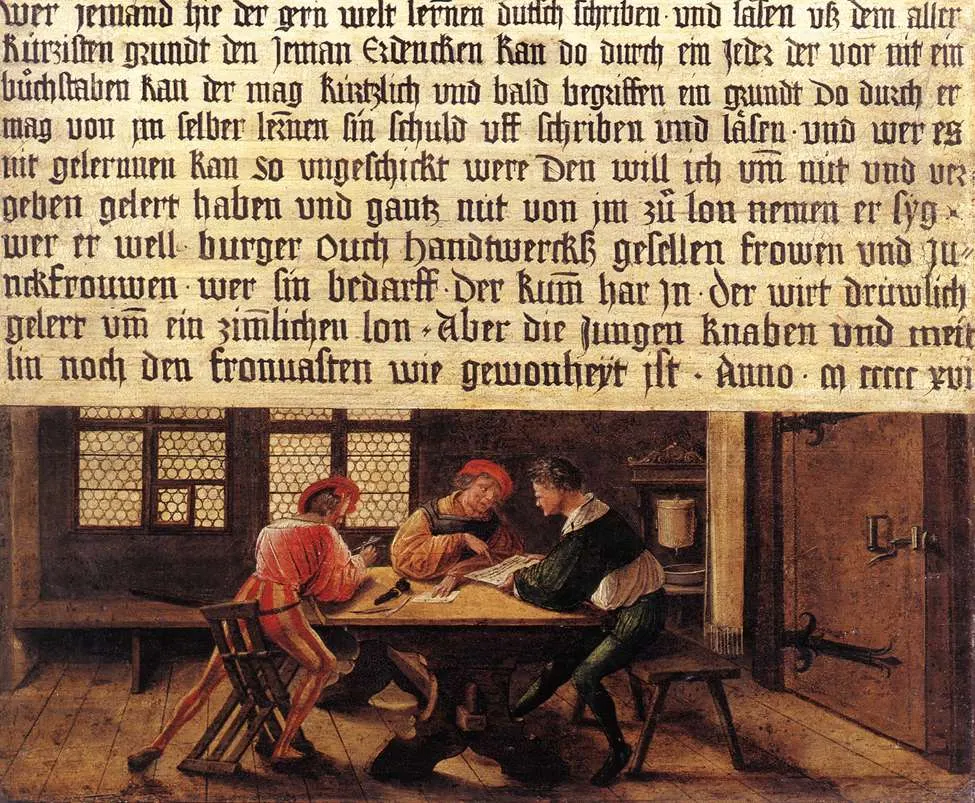
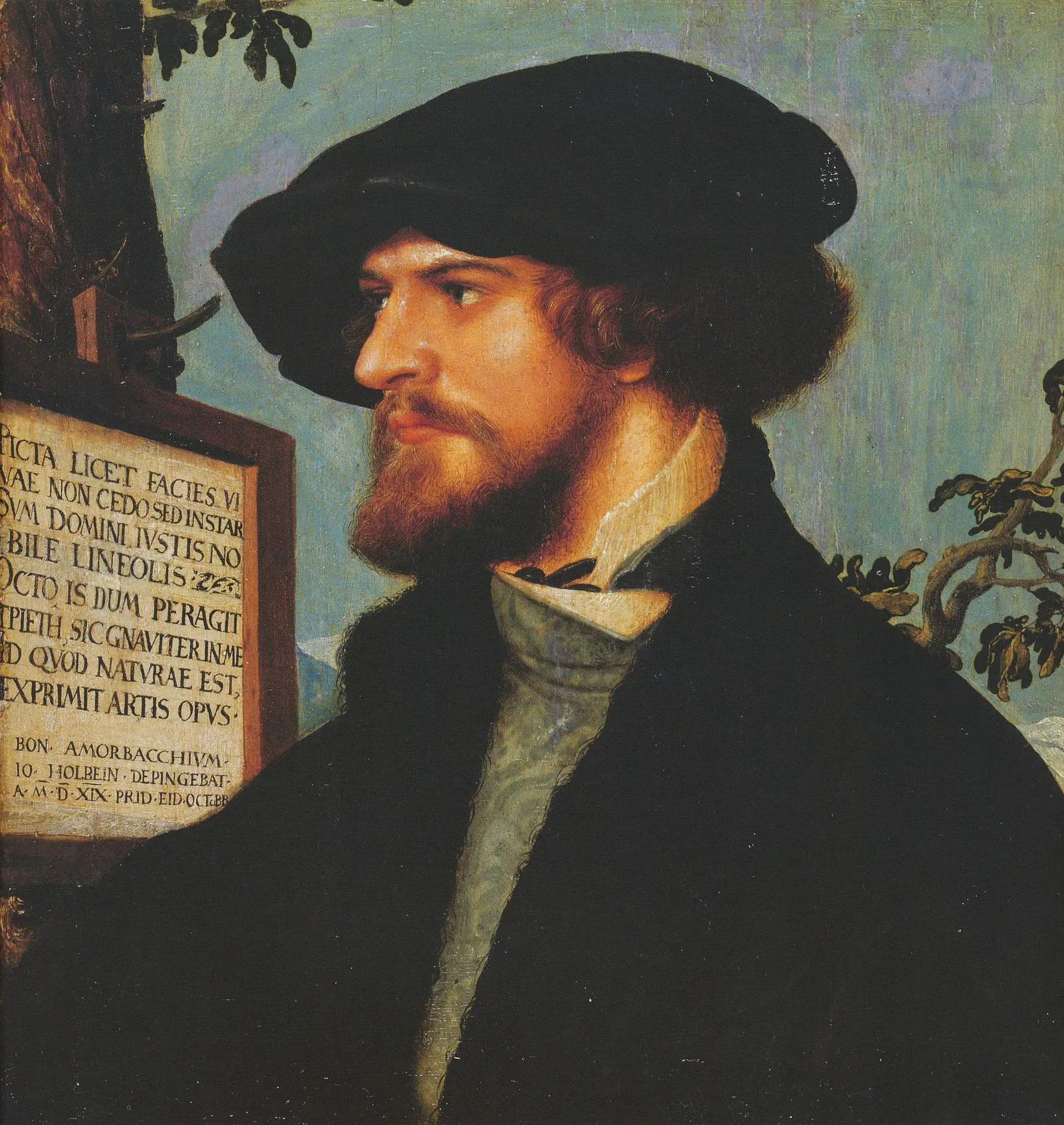
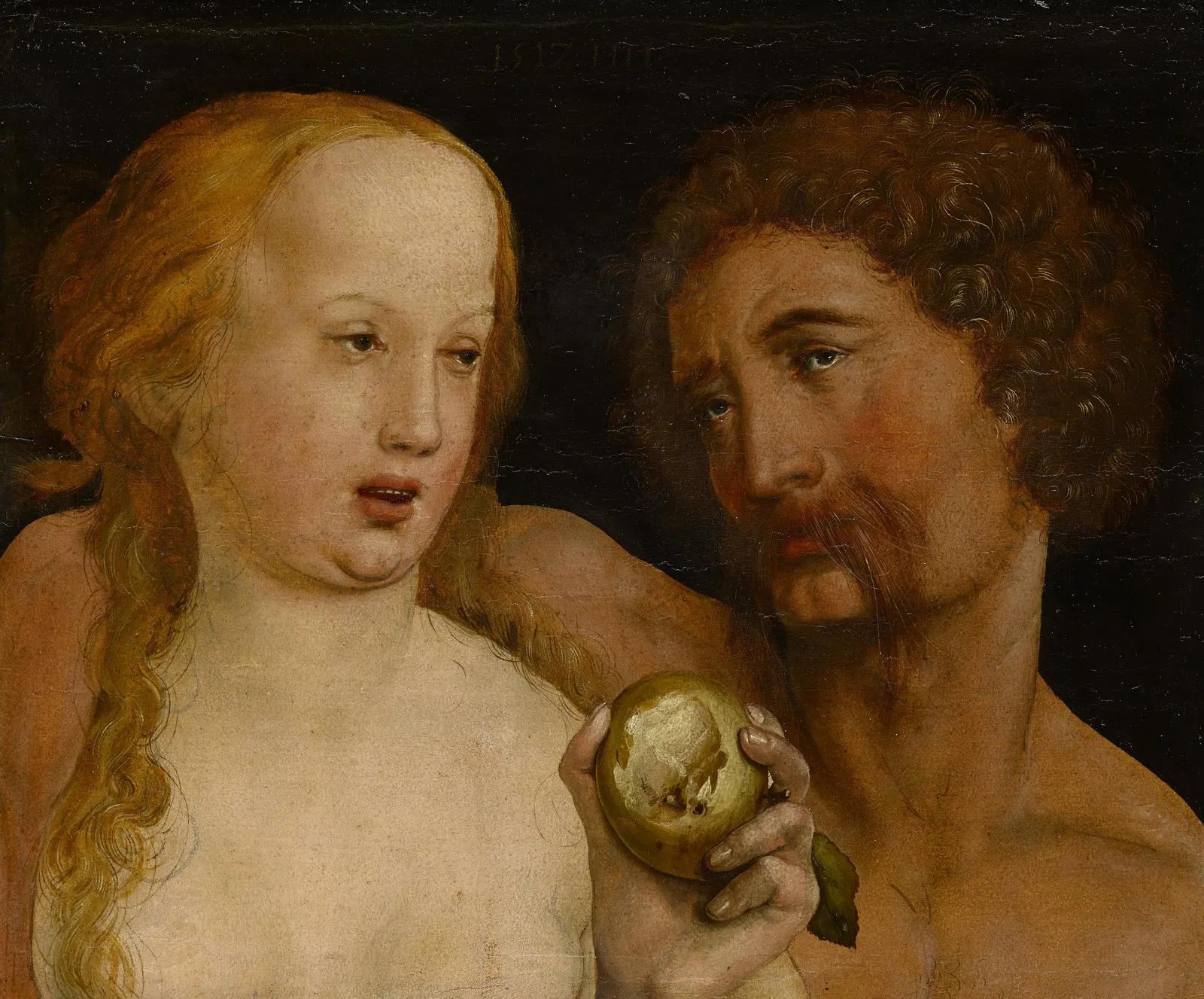
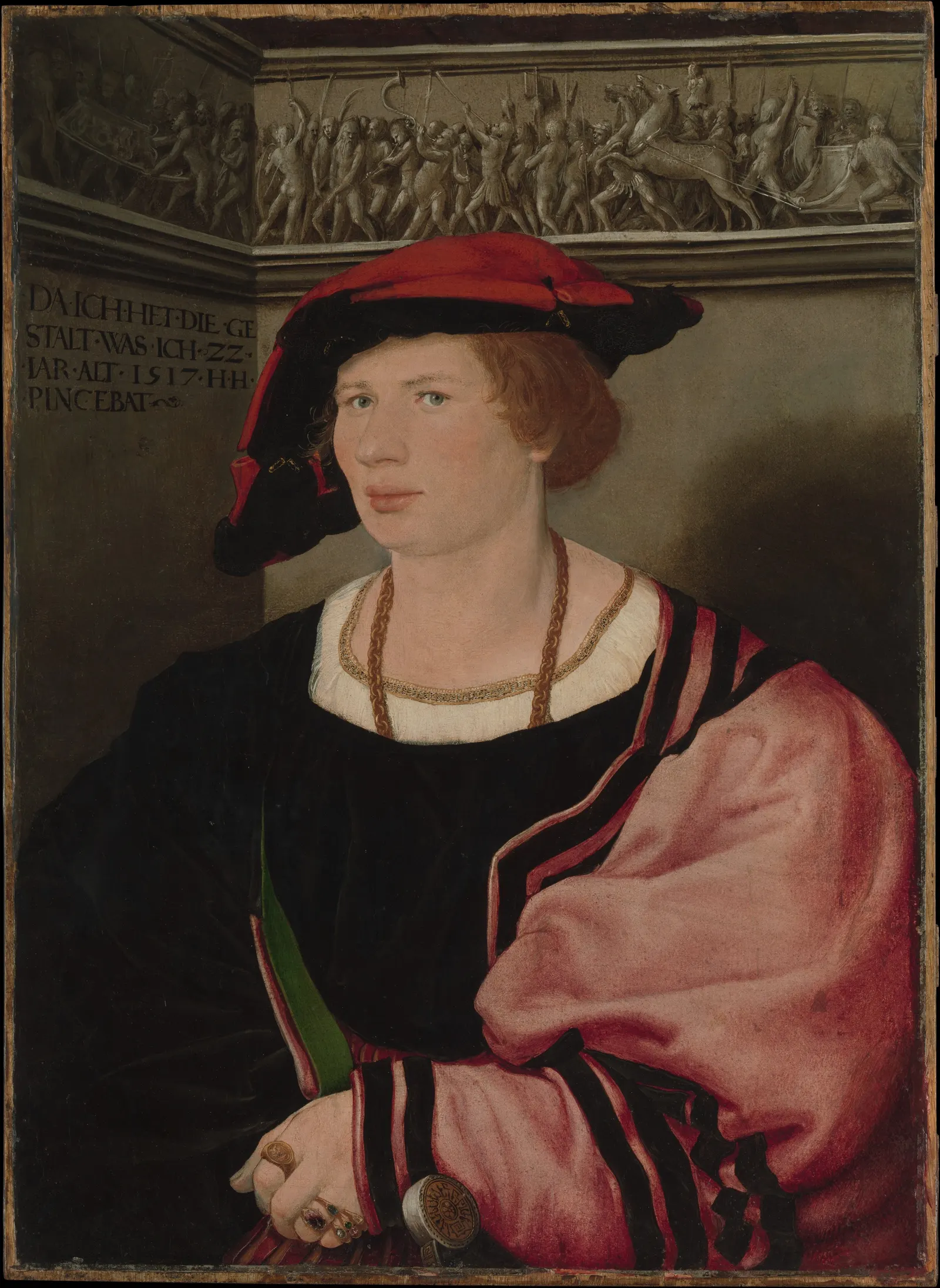
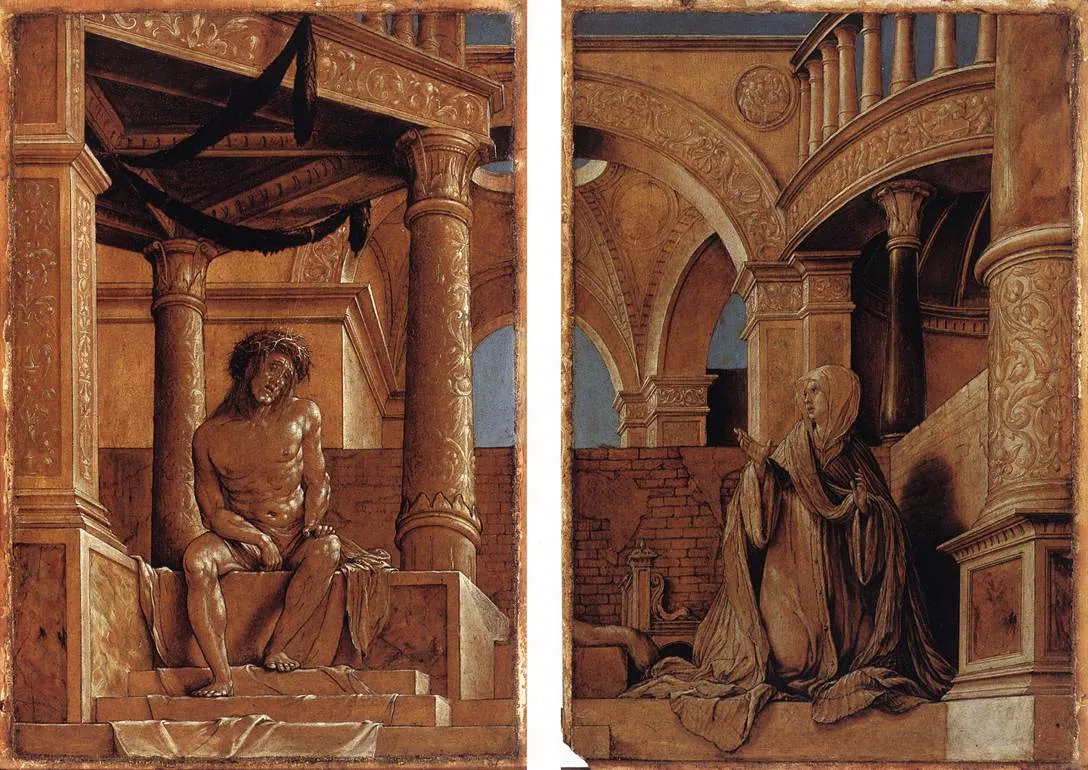
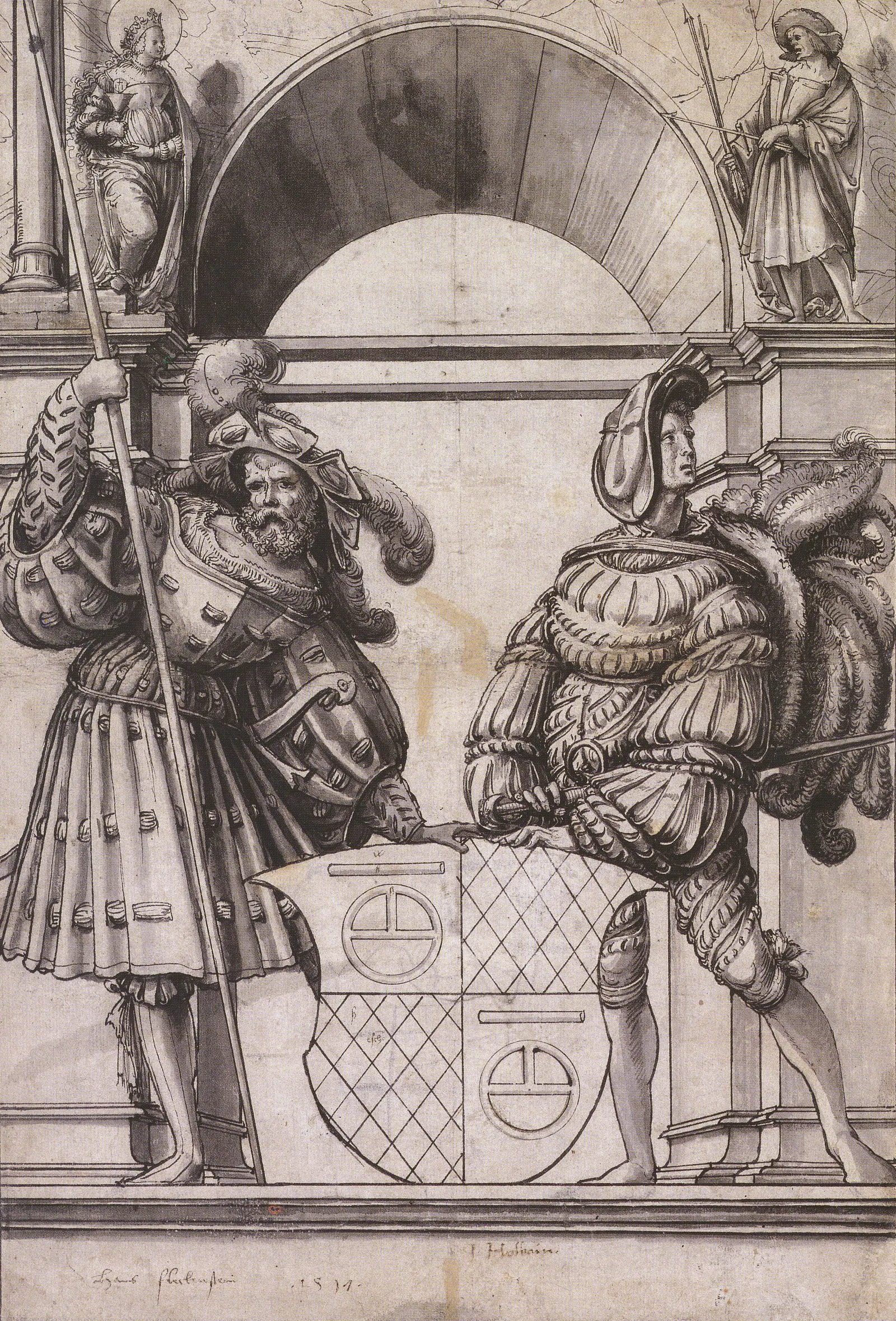
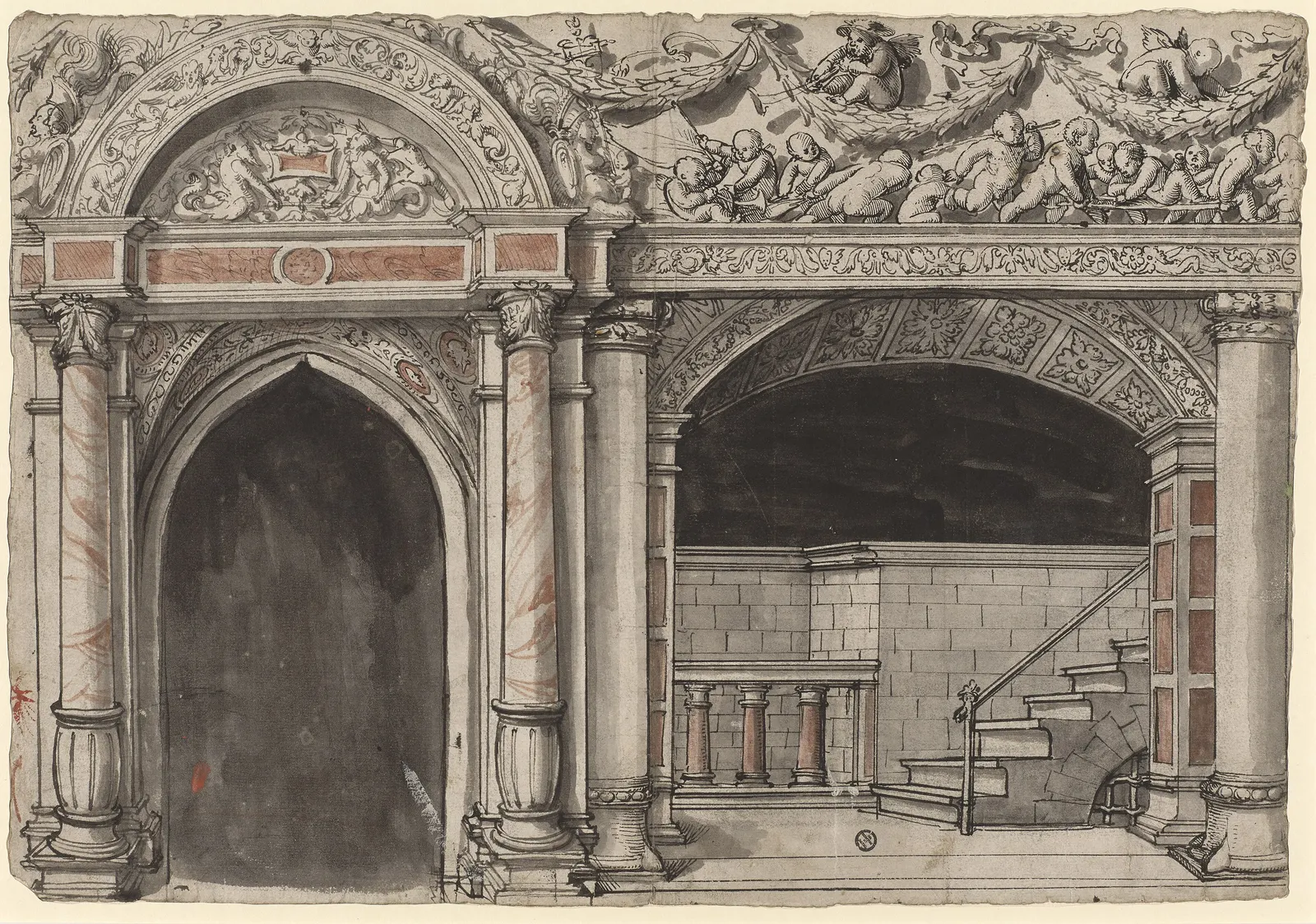
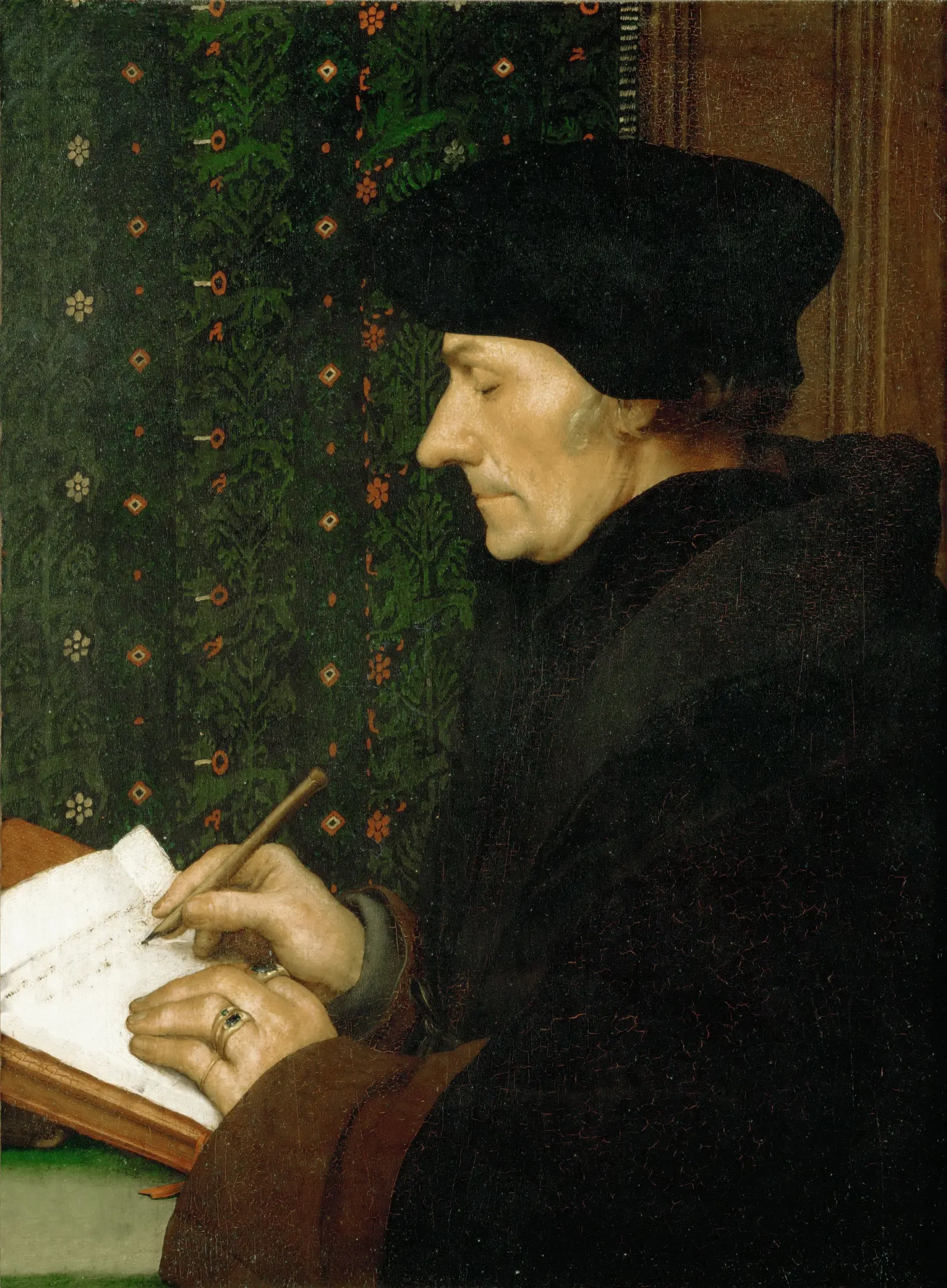
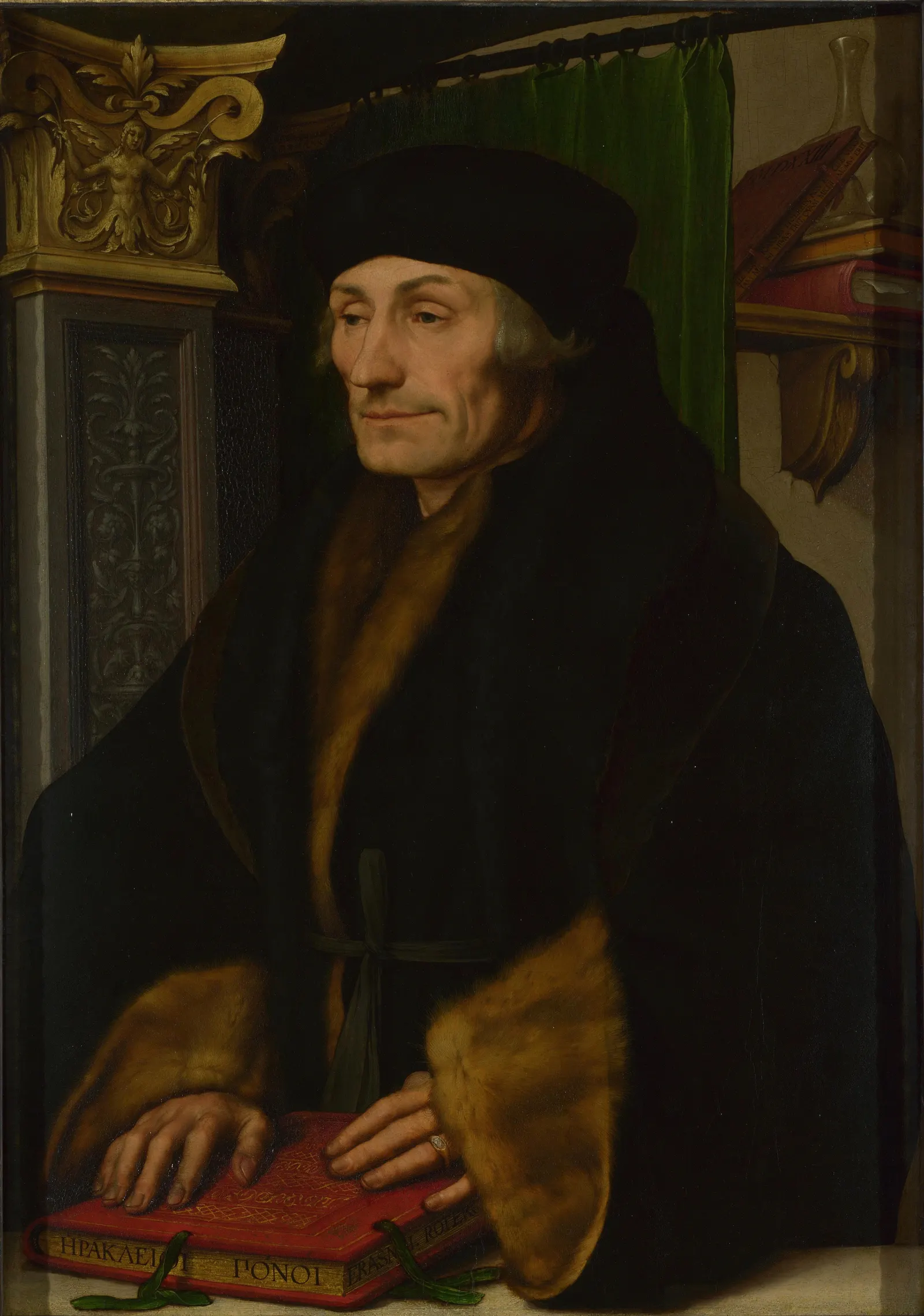
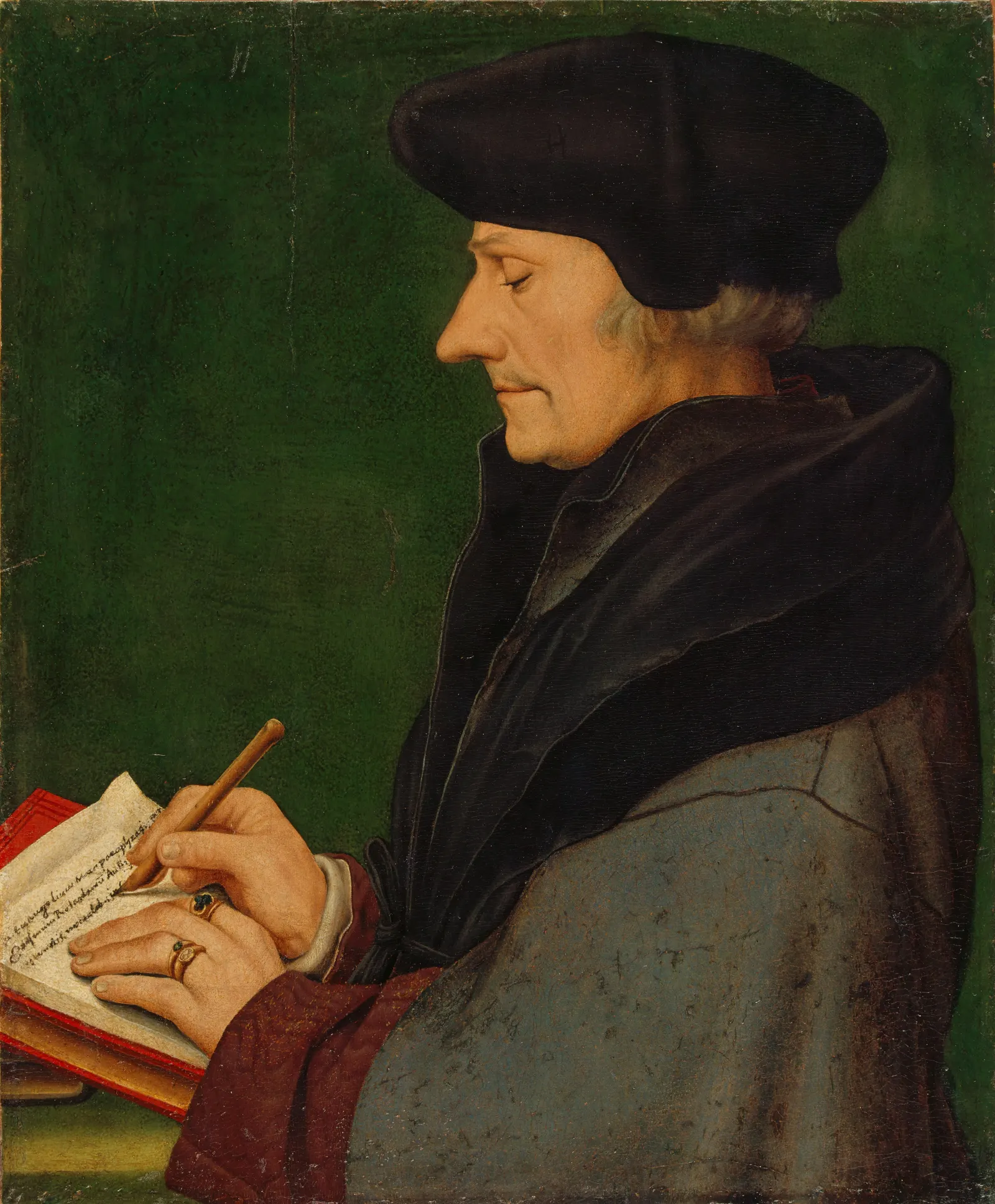
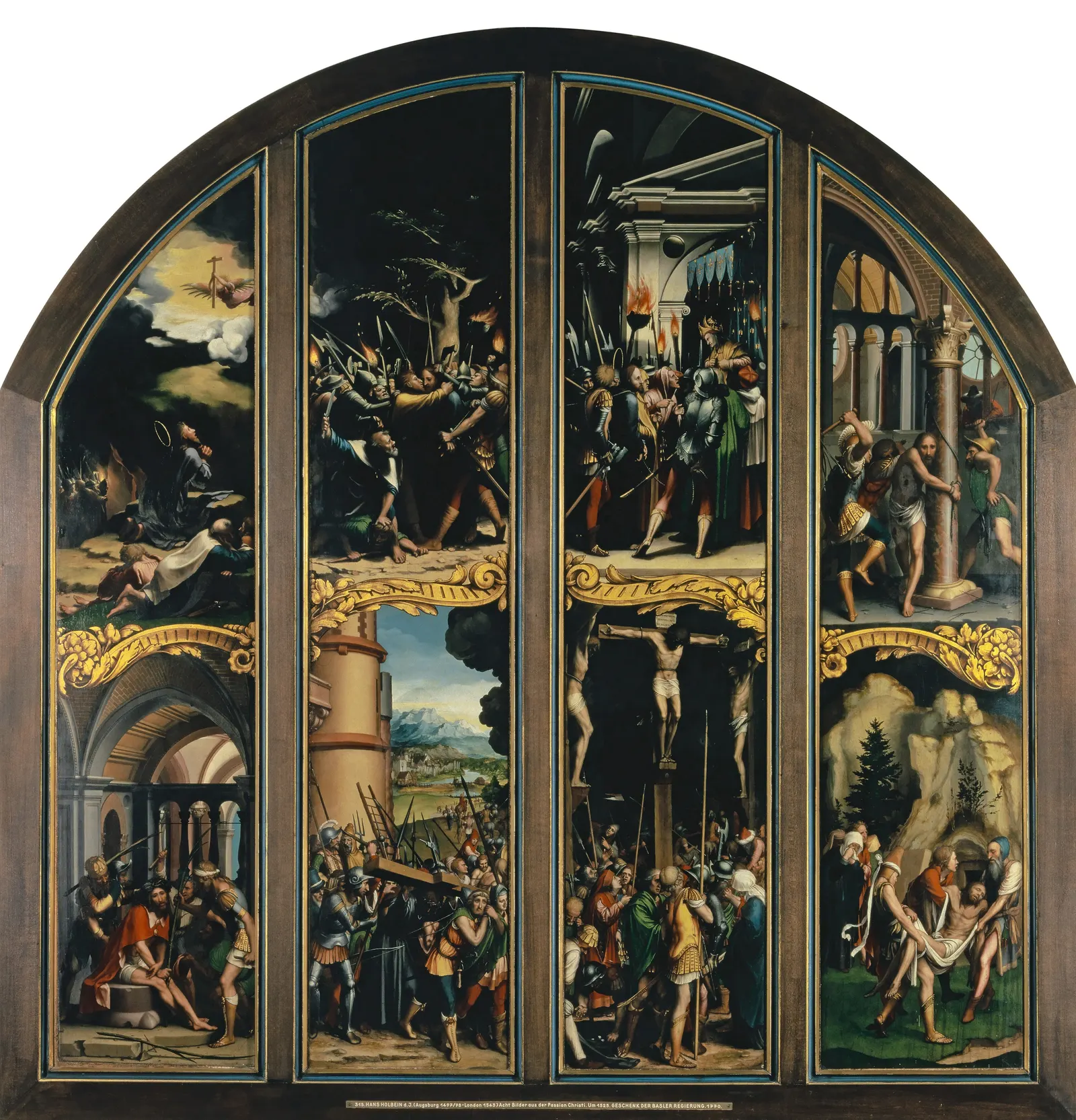
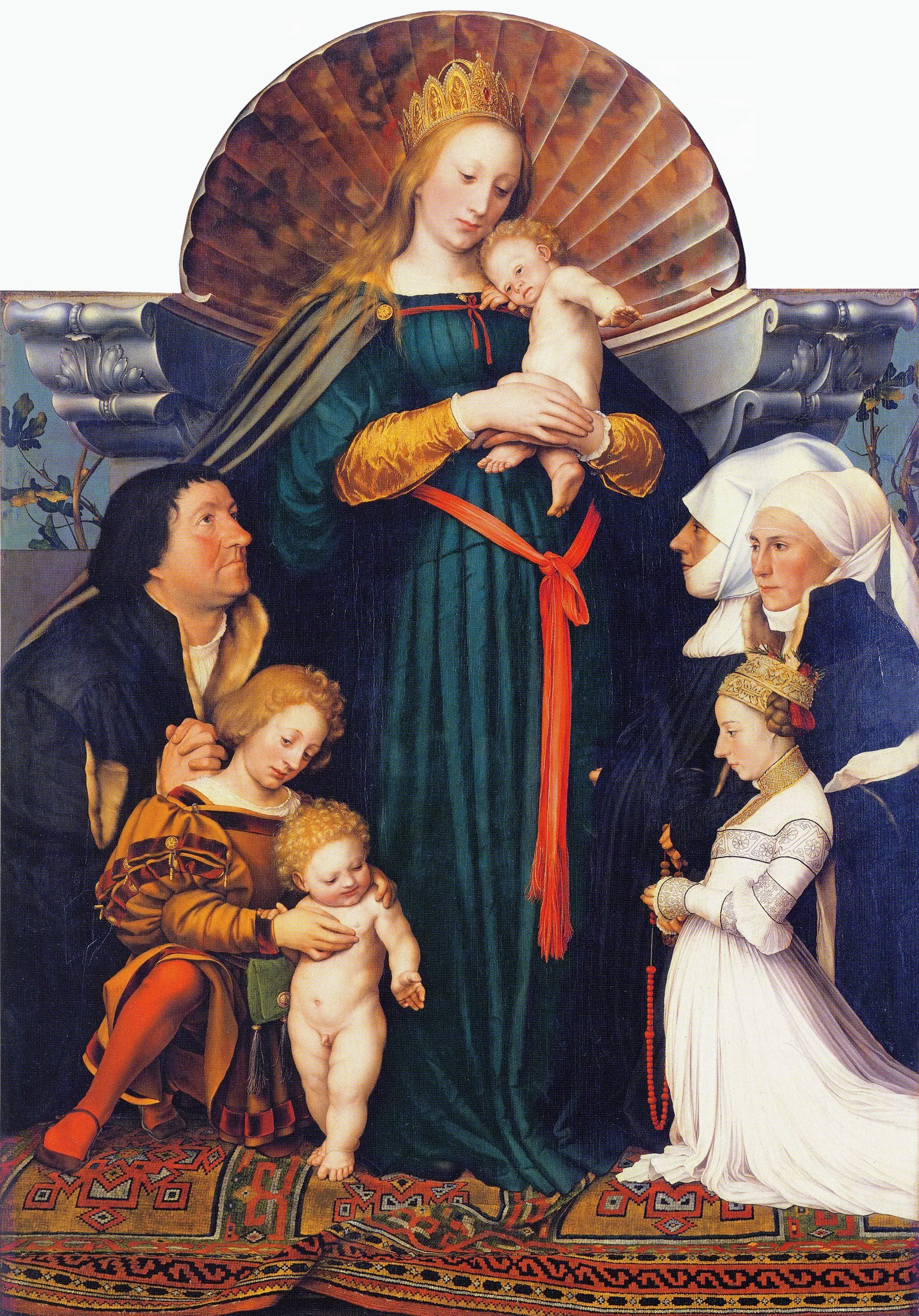
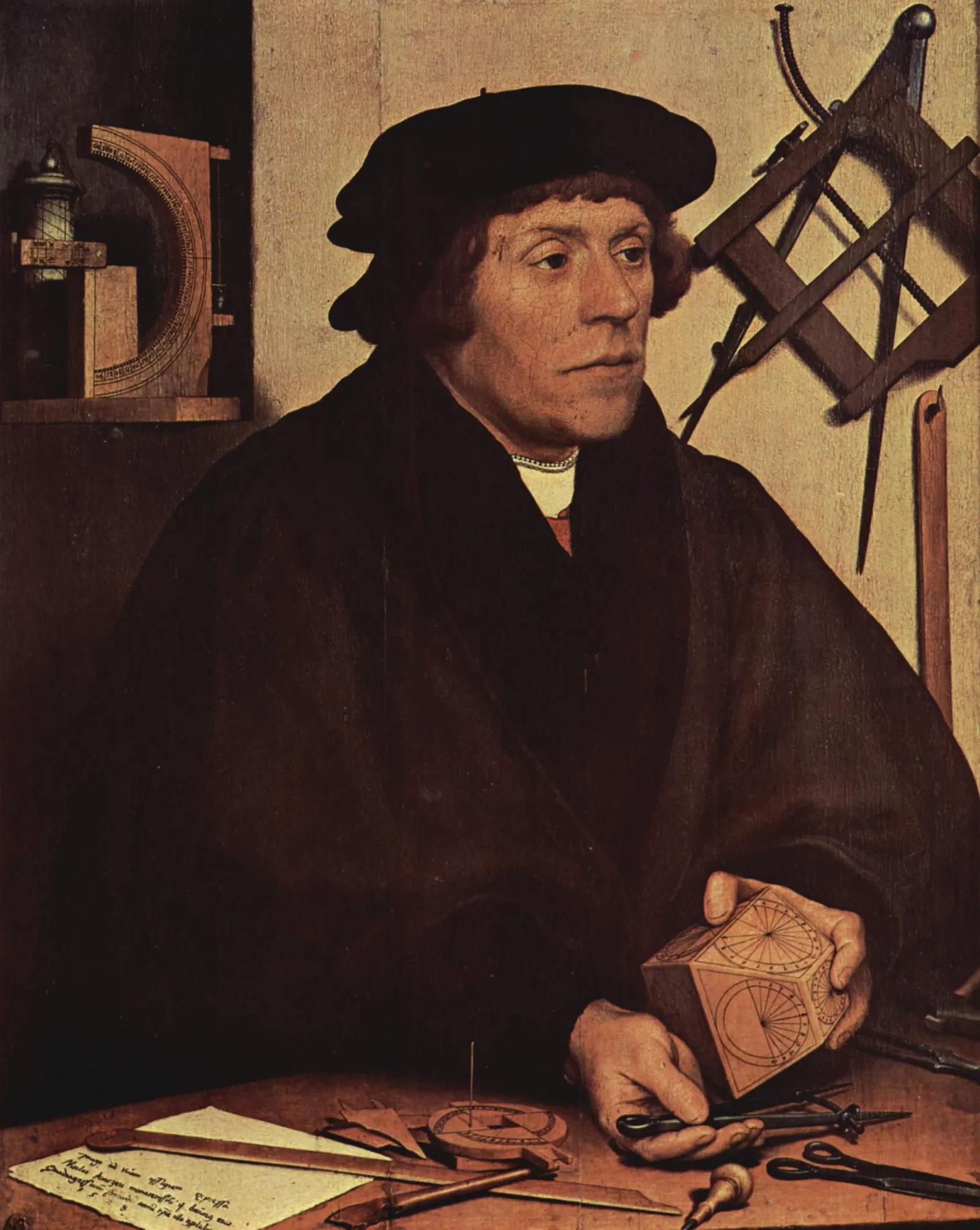
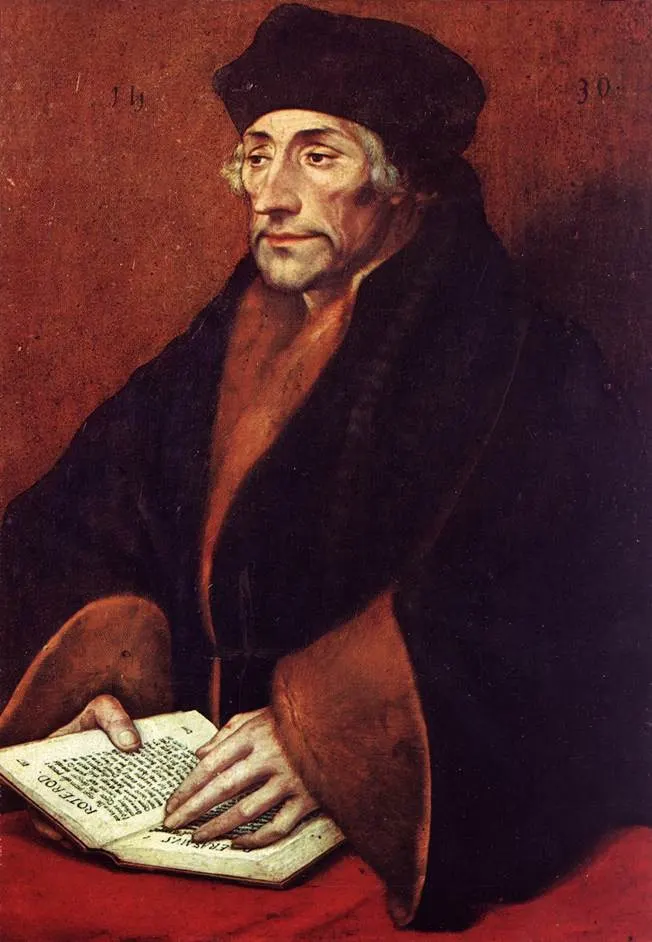
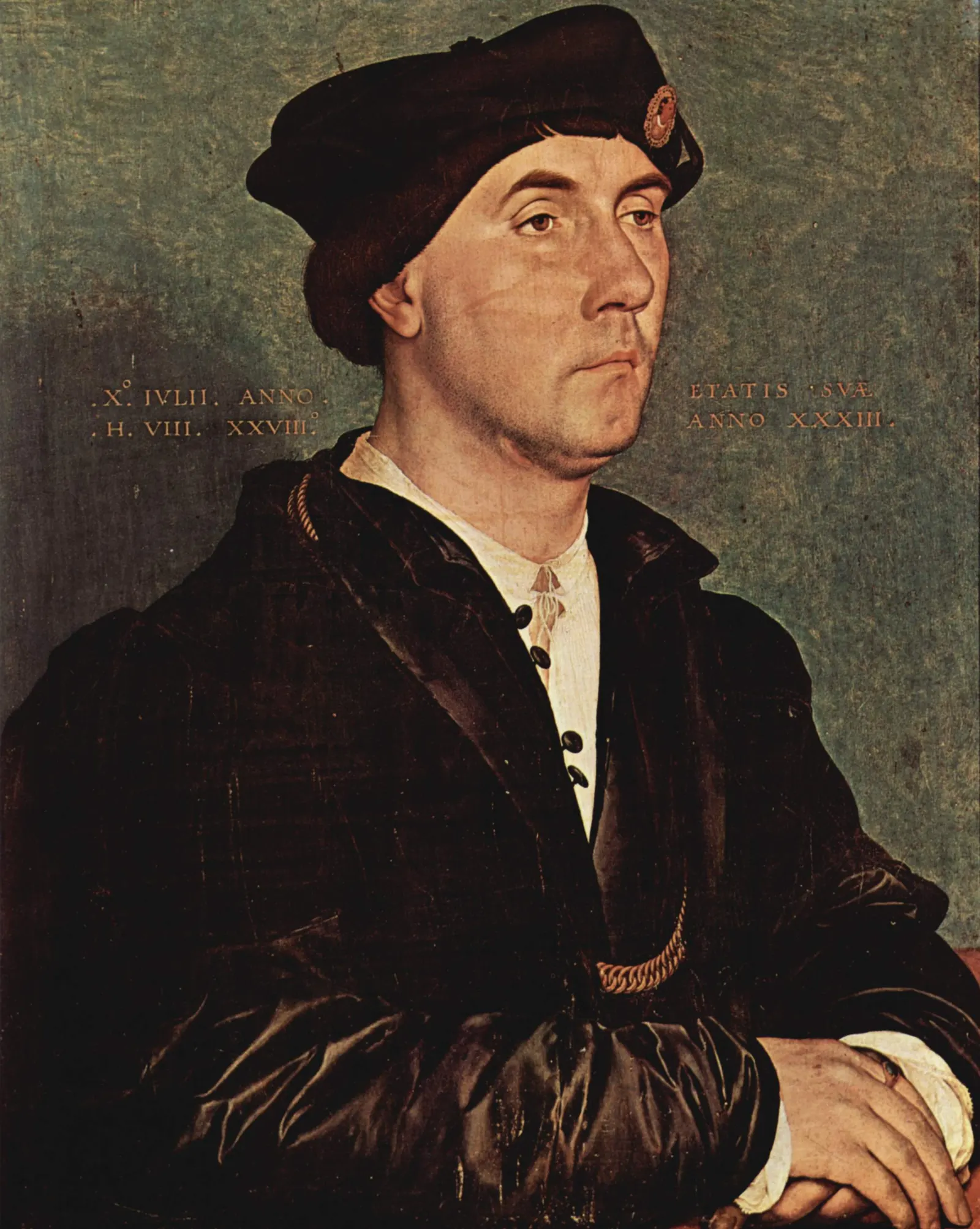
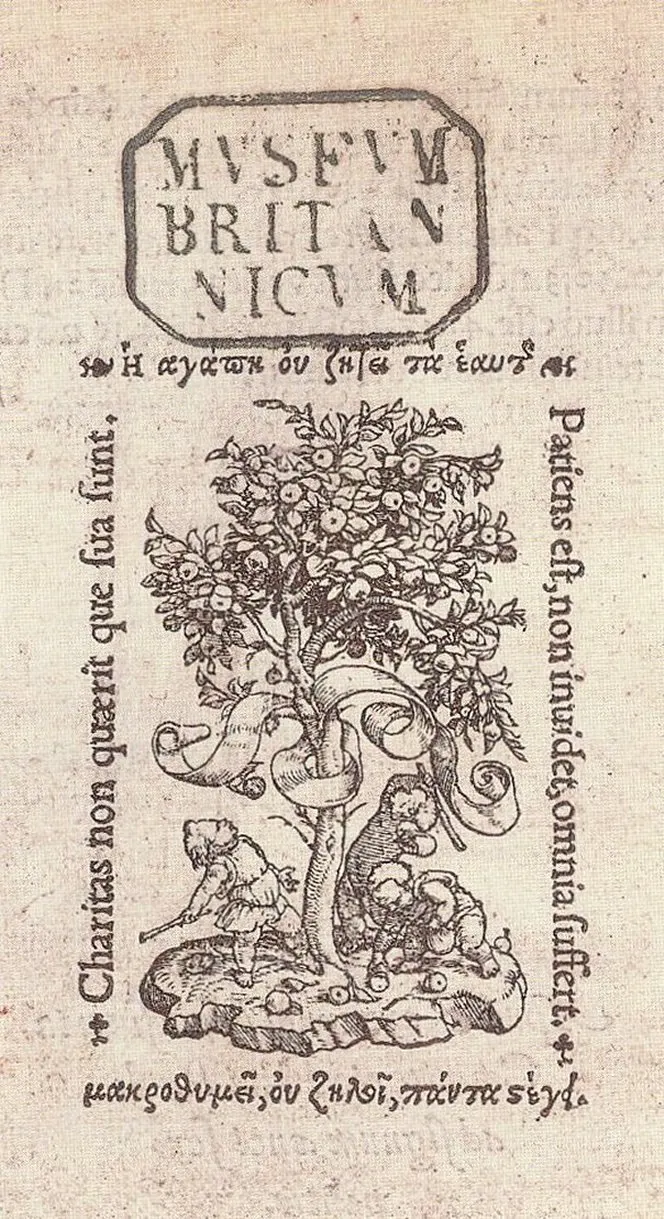
Hans Holbein the Younger was a German painter, draughtsman and designer. He was born in Augsburg in the winter of 1497/98 and learned his trade in the workshop of his father, Hans Holbein the Elder. As a young man he worked in Basel, painting altarpieces, murals and portraits and designing woodcuts for the city’s printers. His portraits of the scholar Erasmus first made his name outside the city.
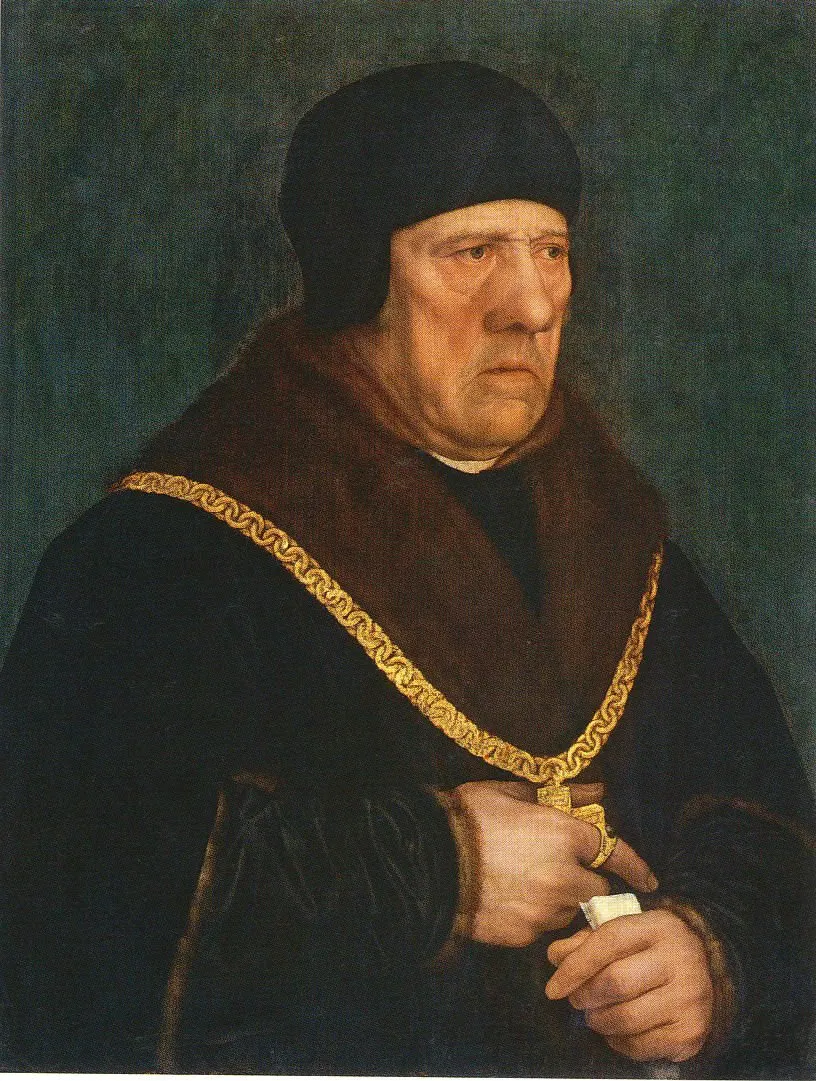
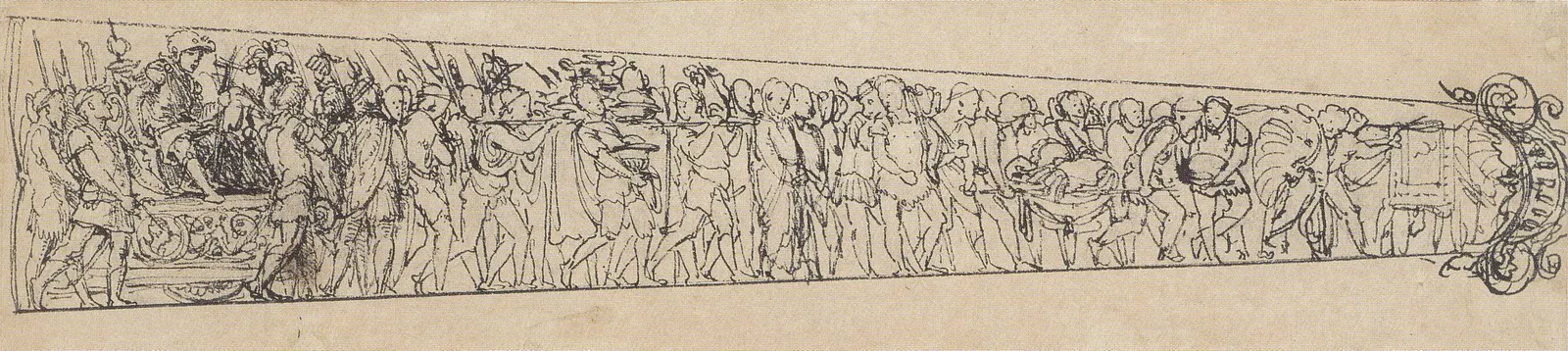
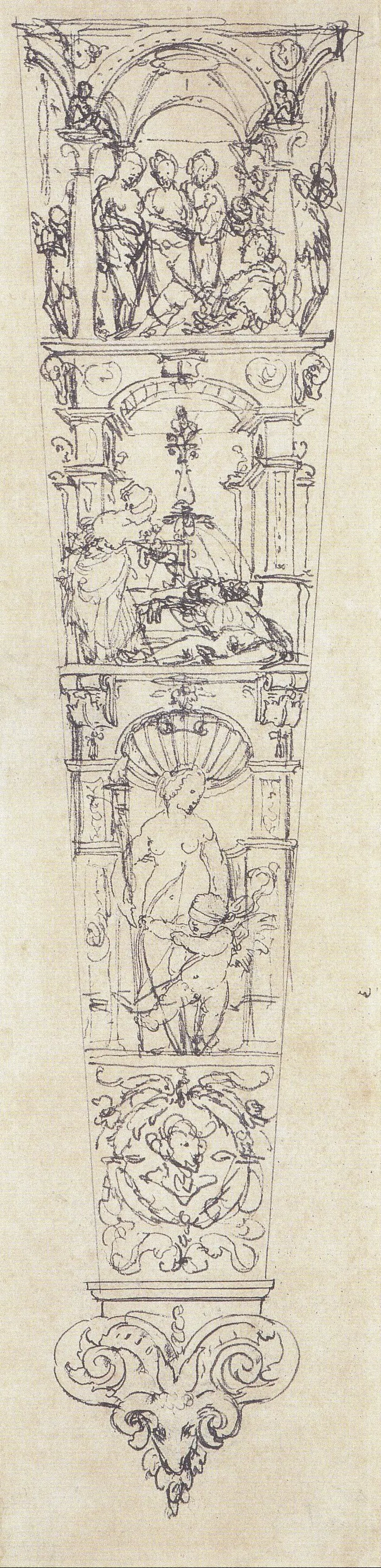
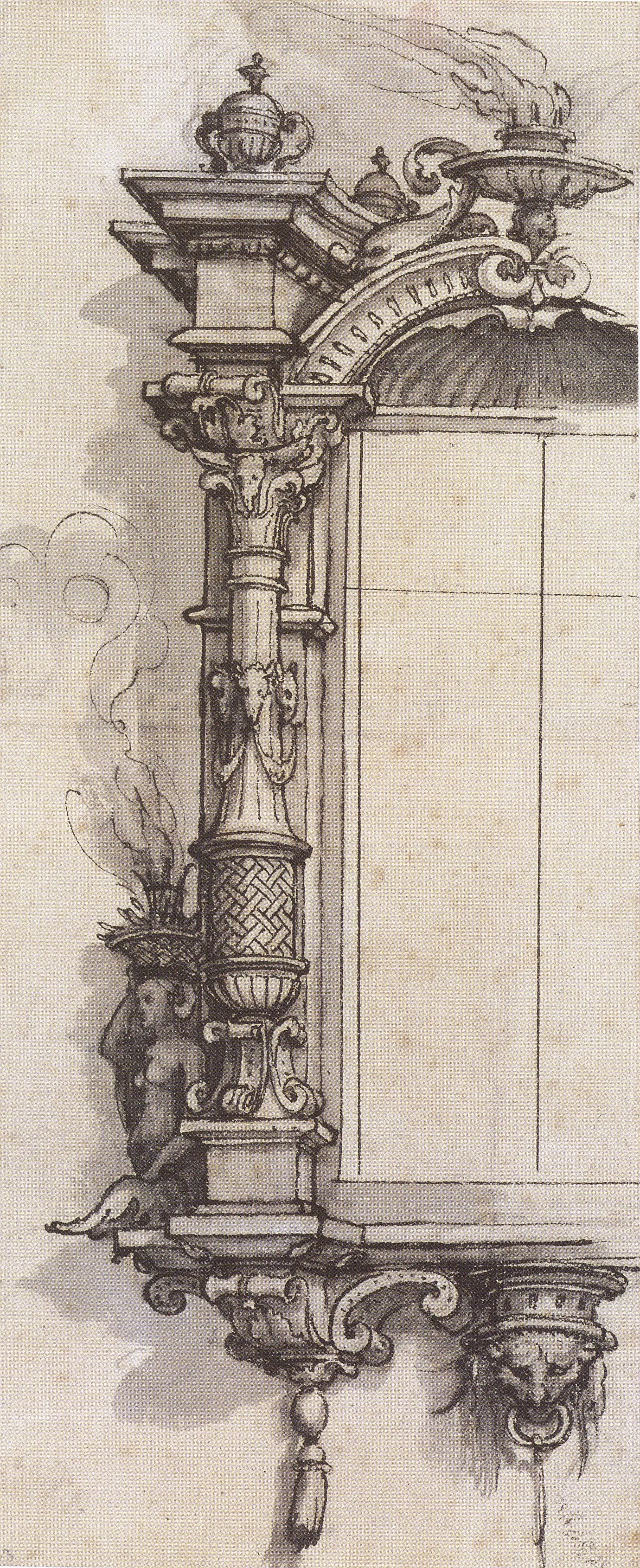
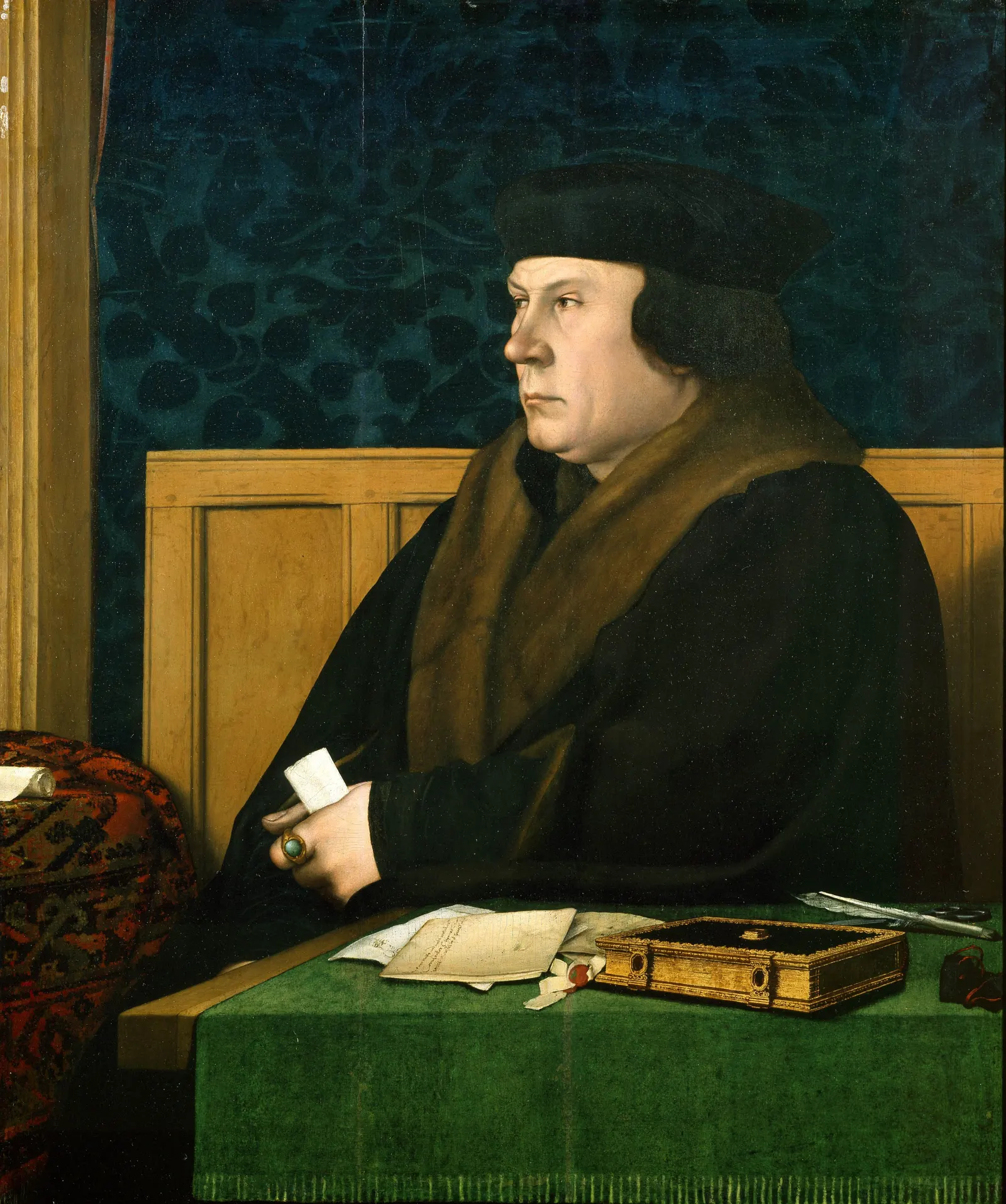
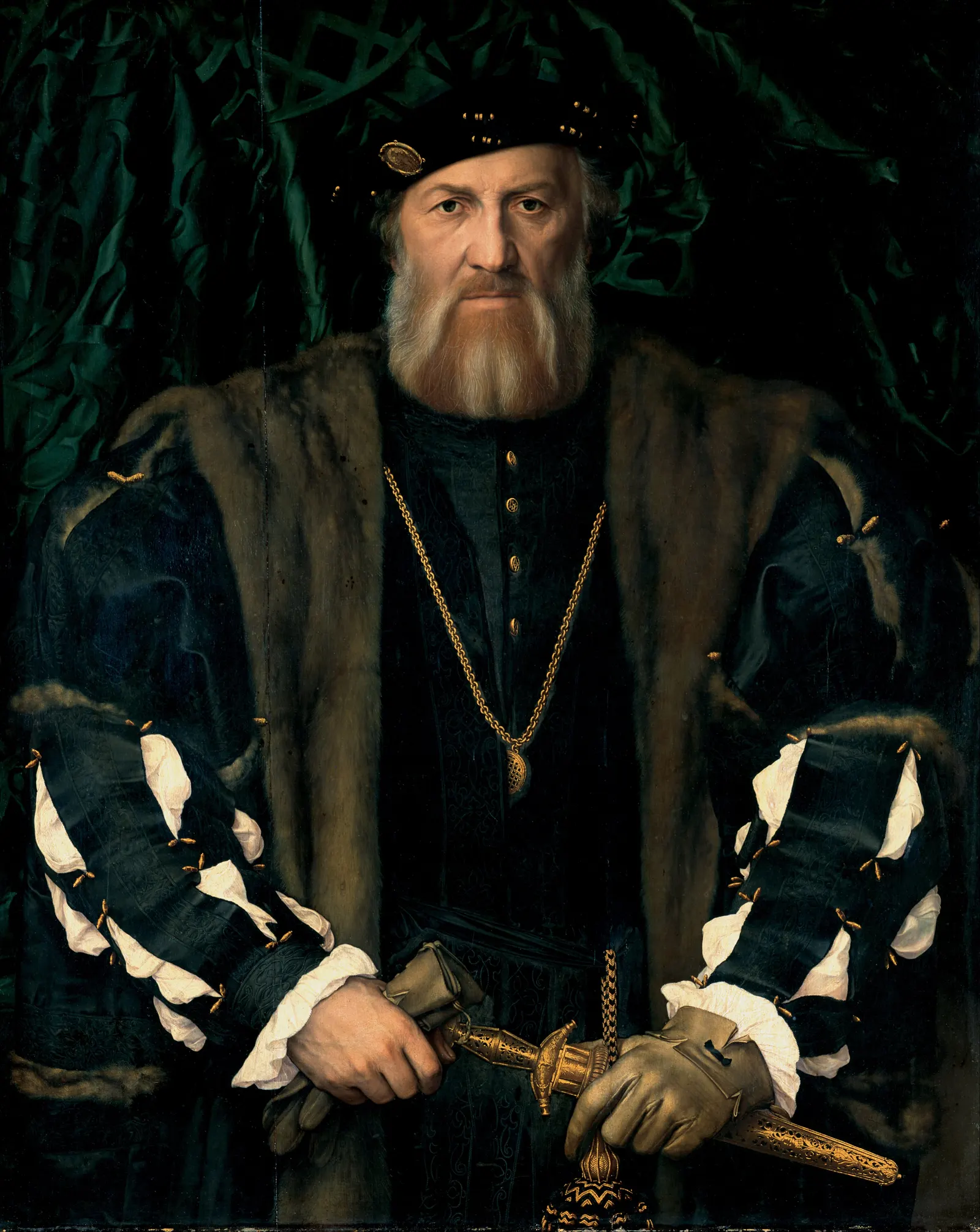
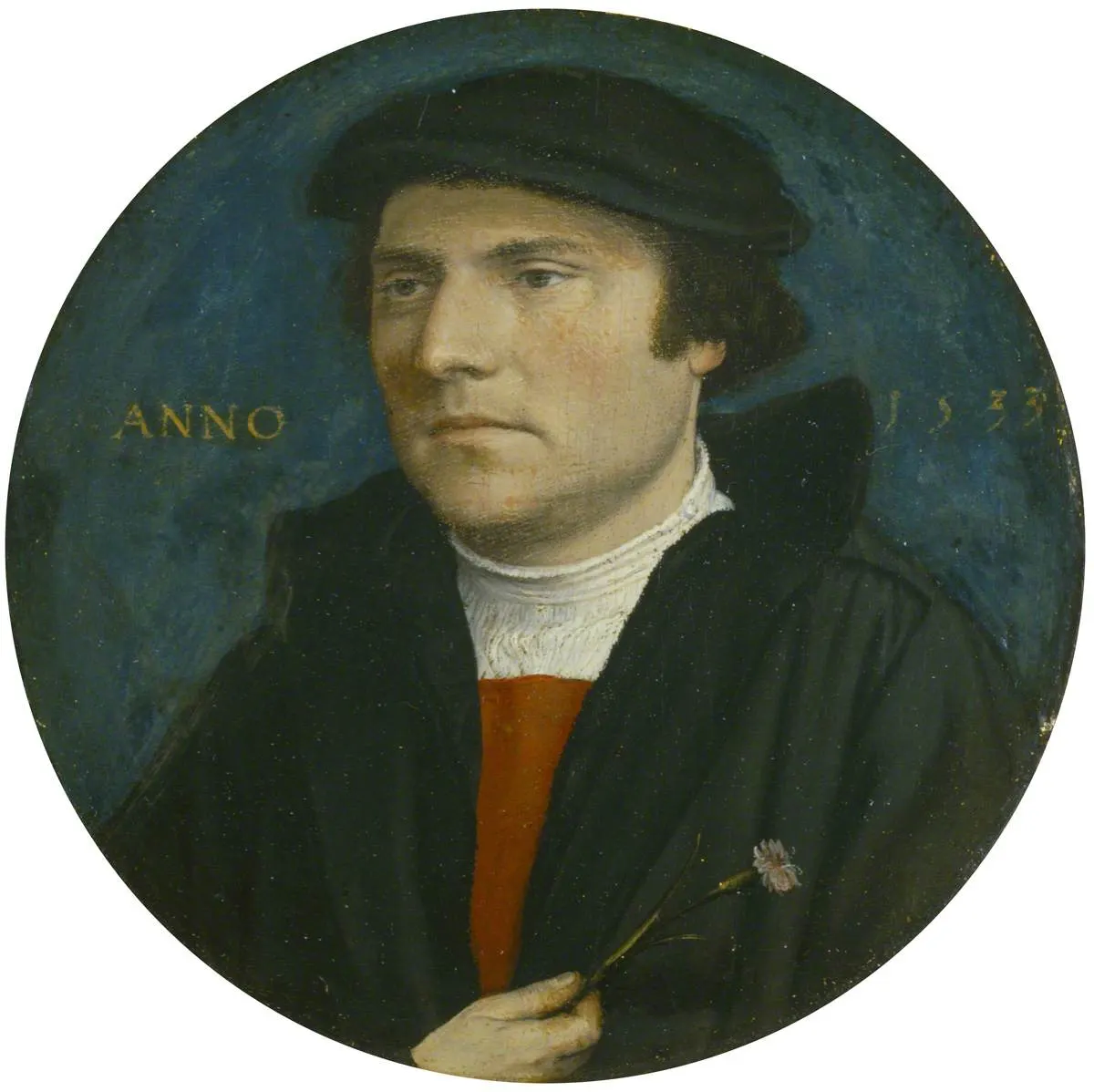
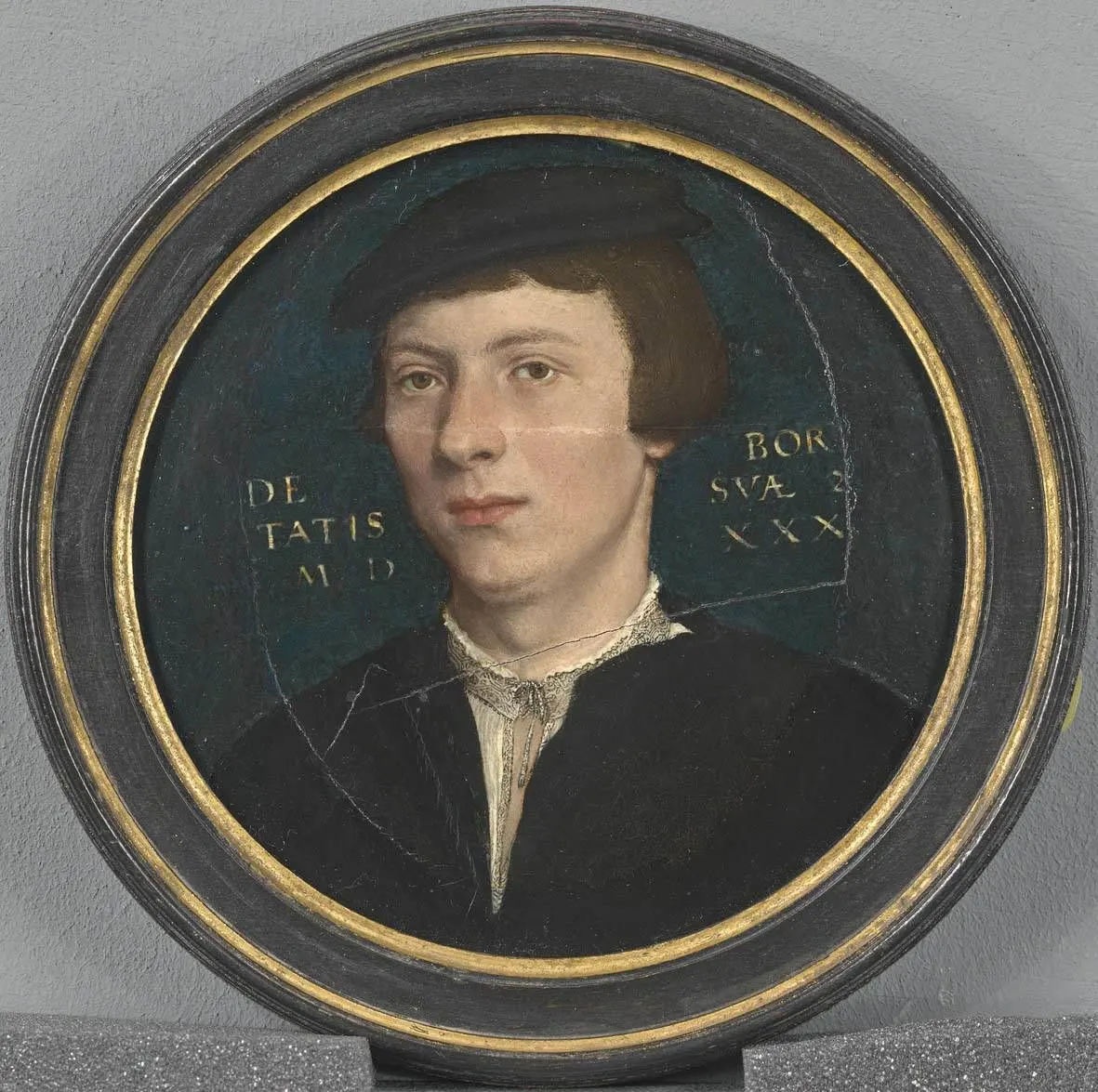
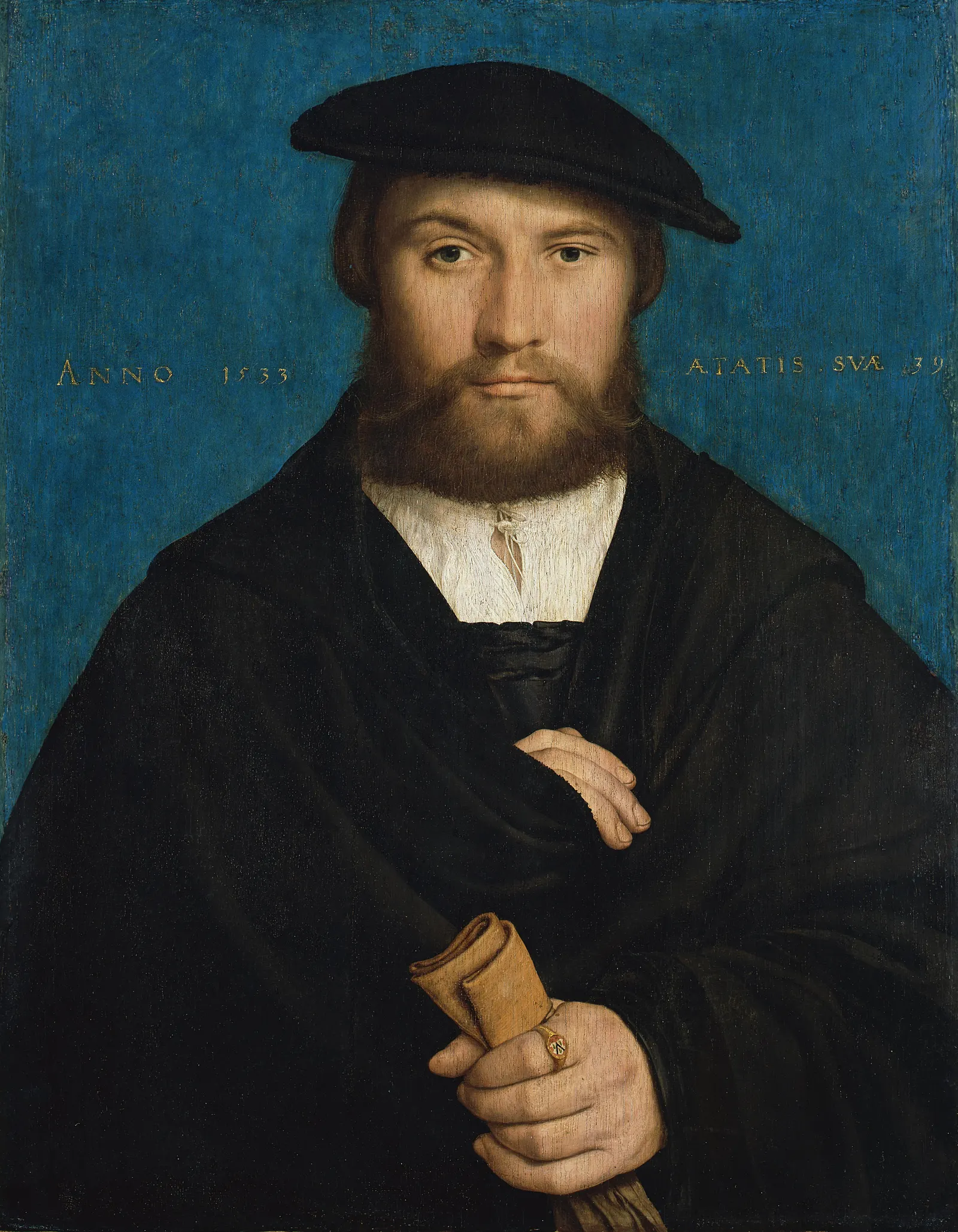
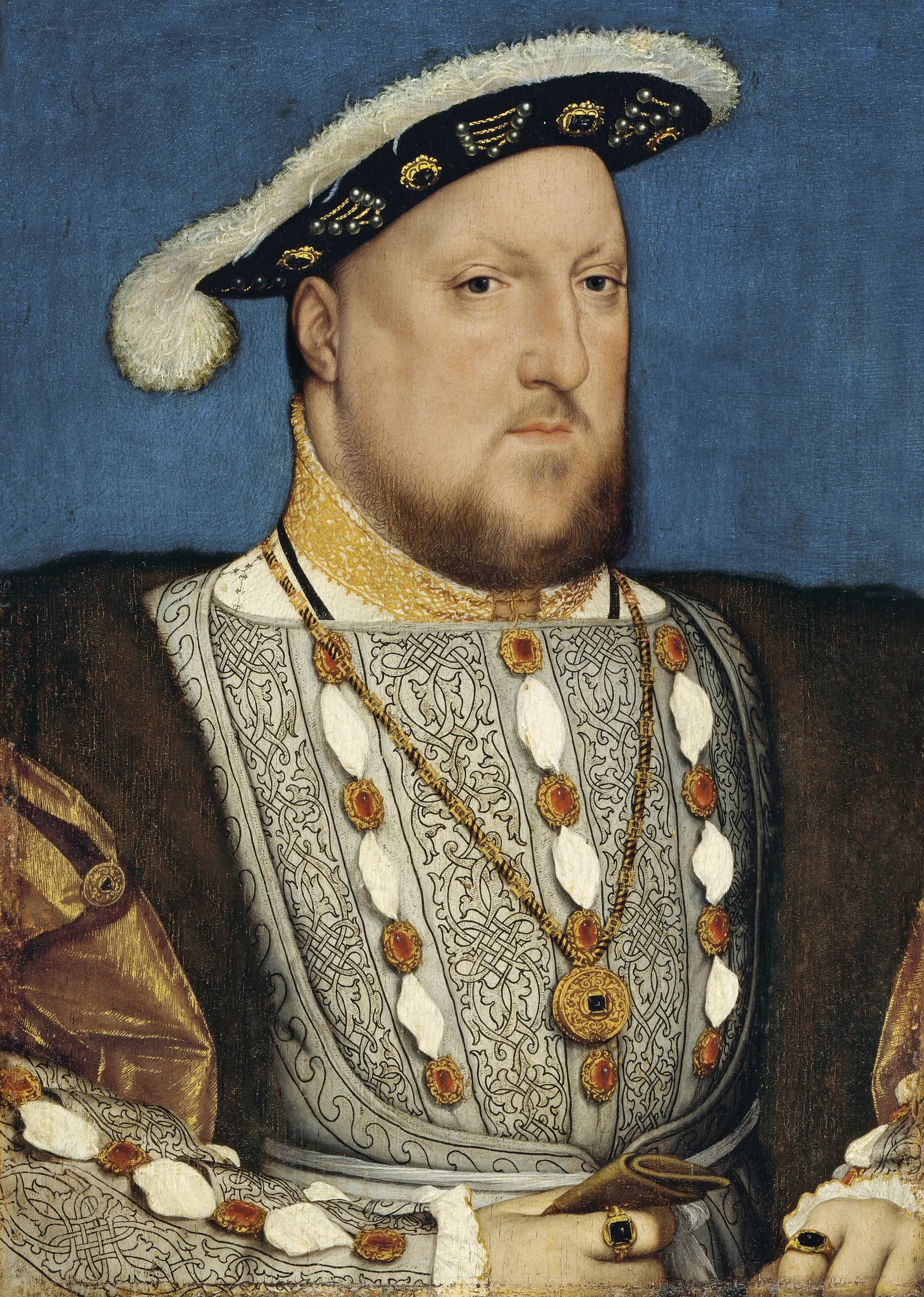
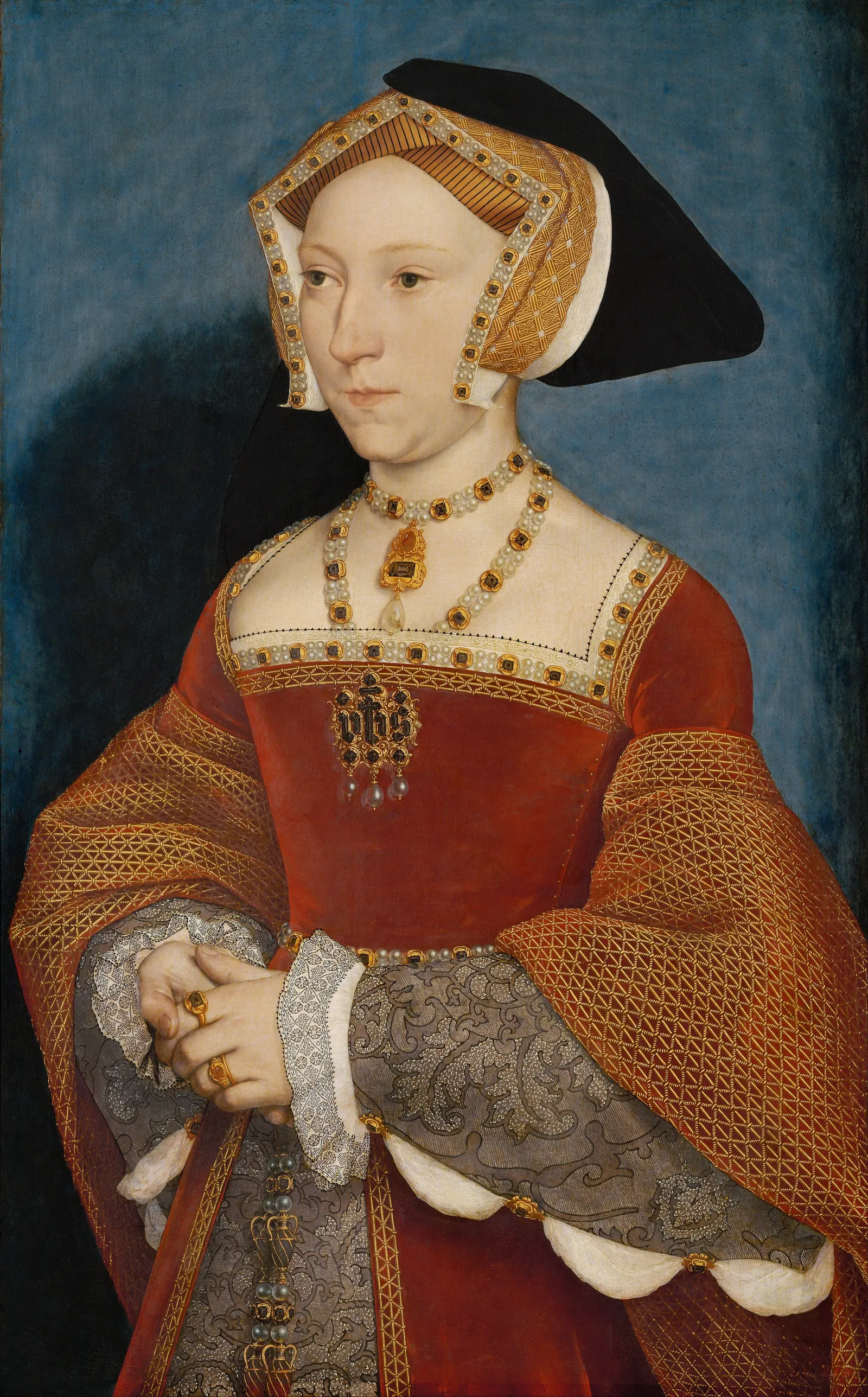
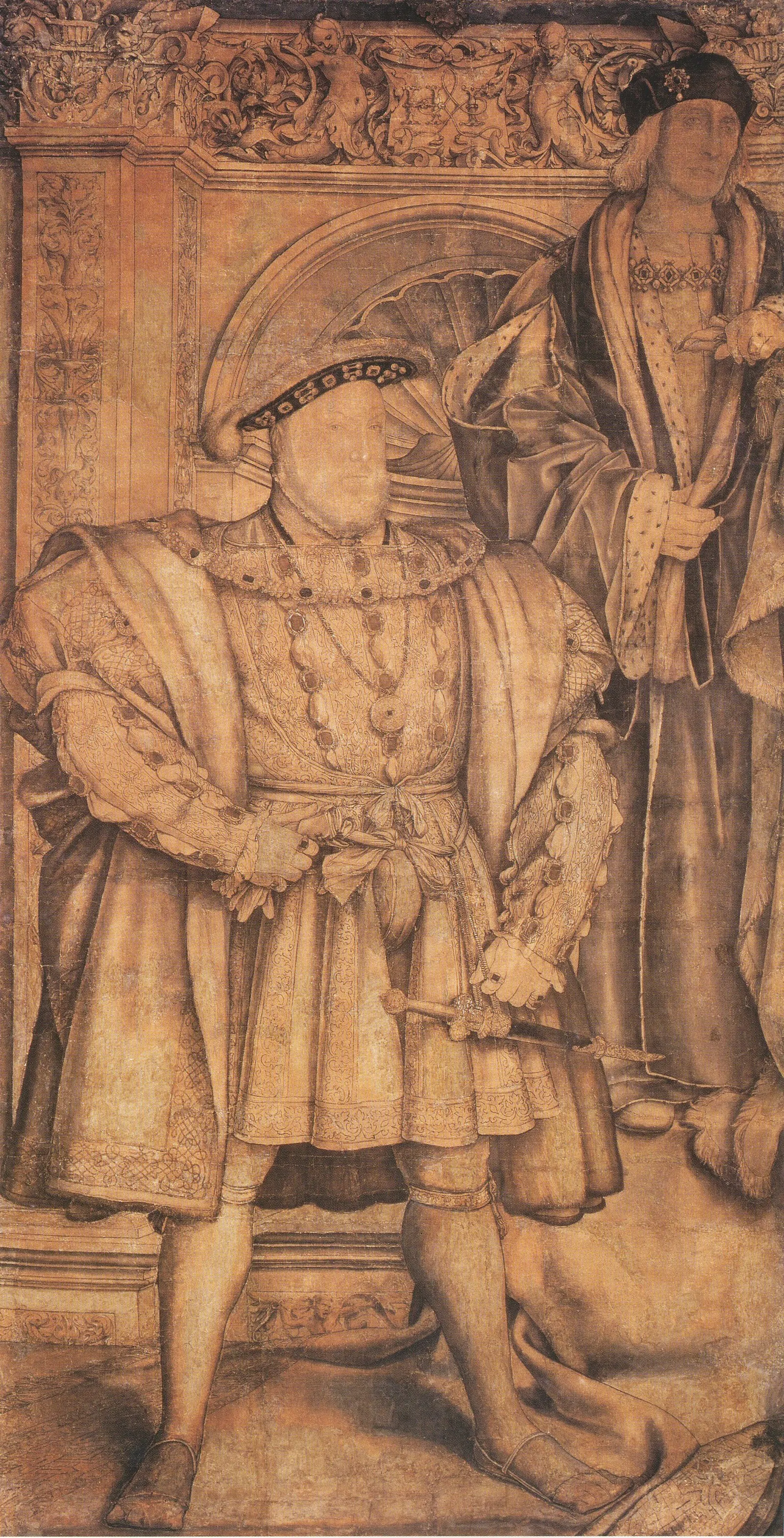
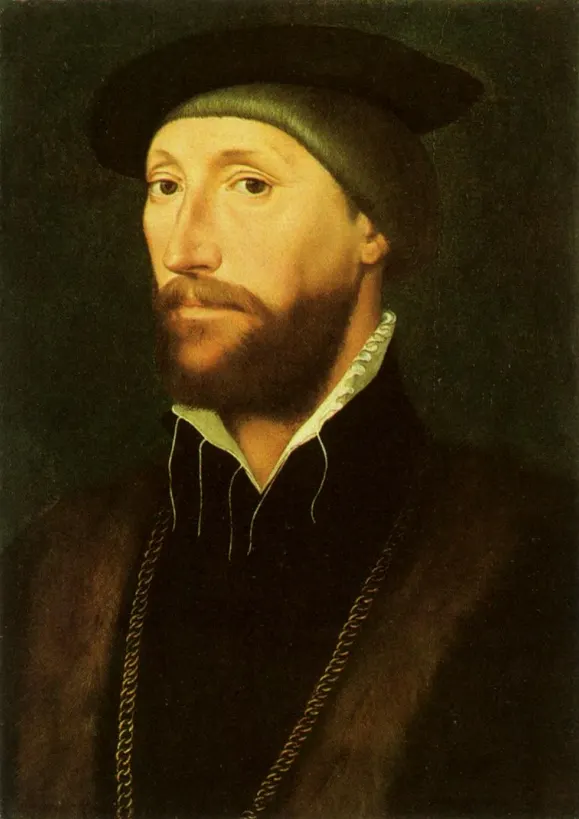
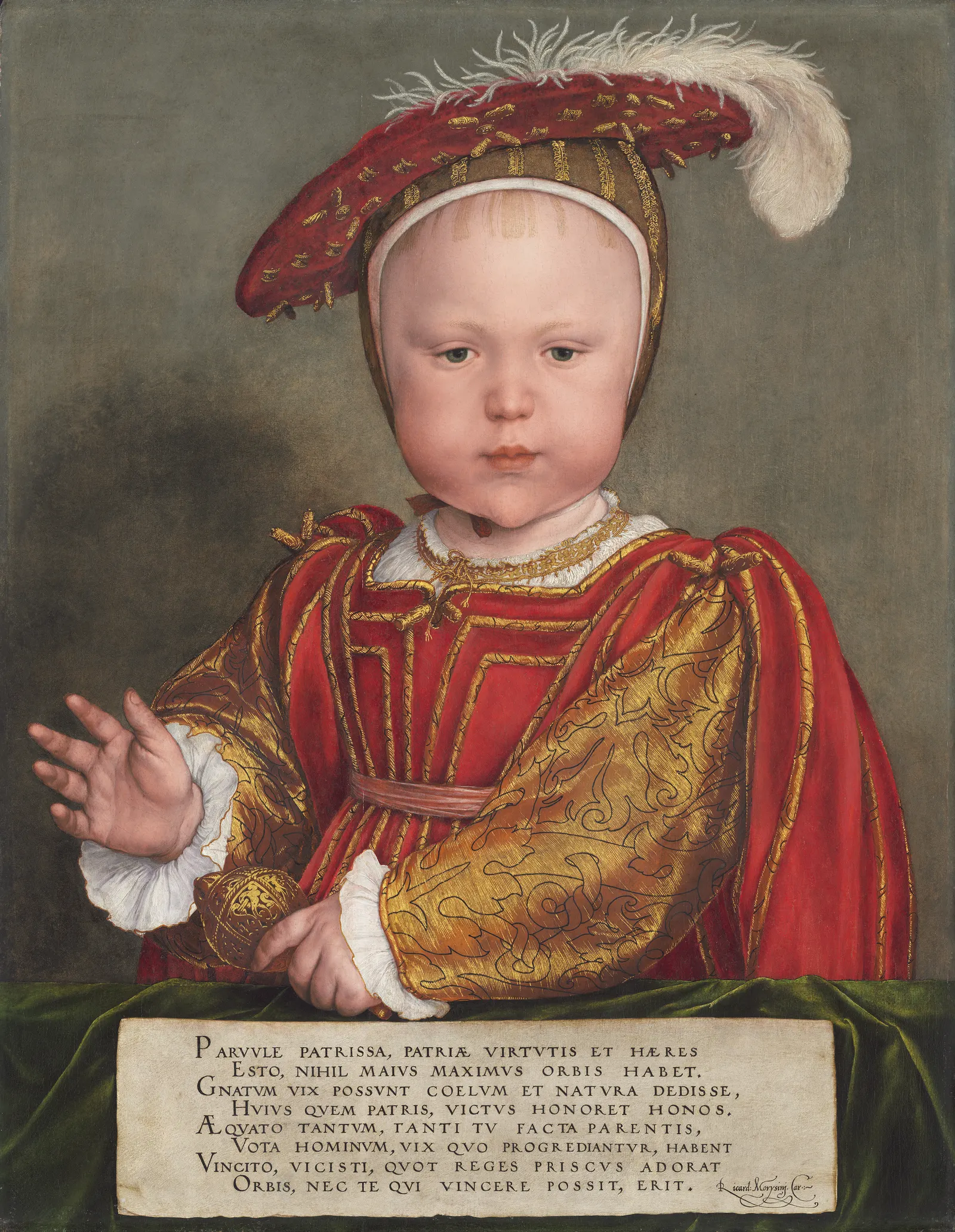
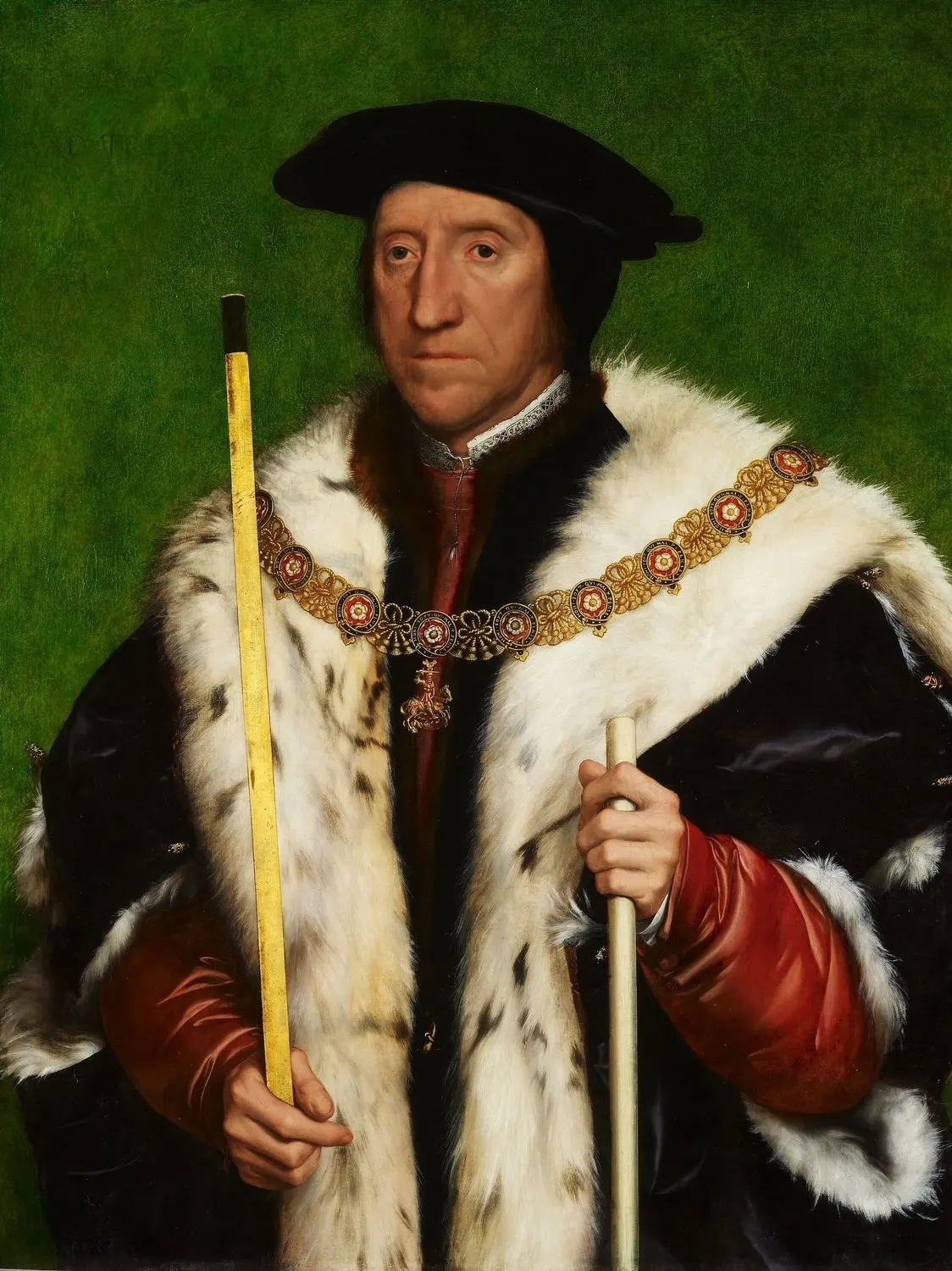
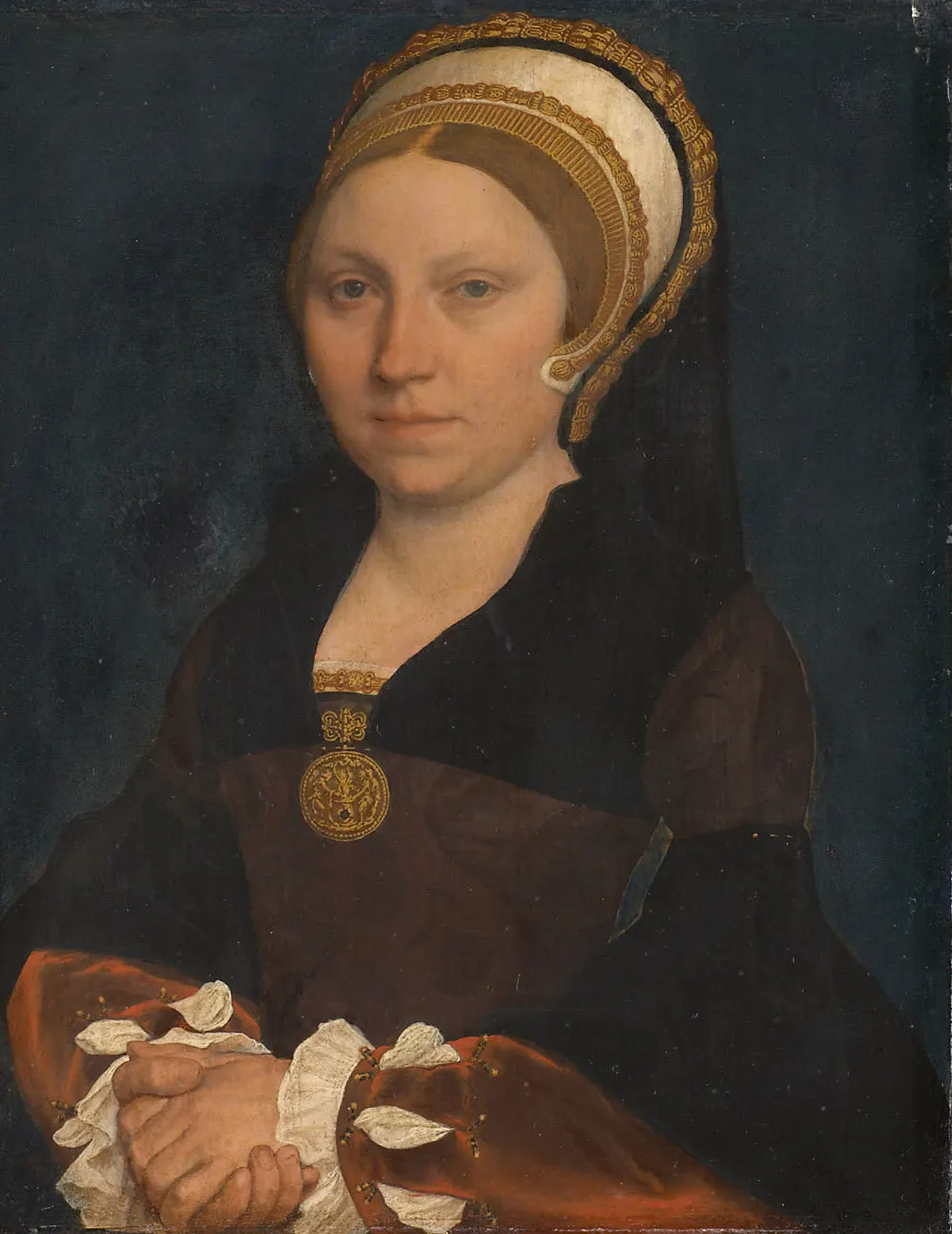
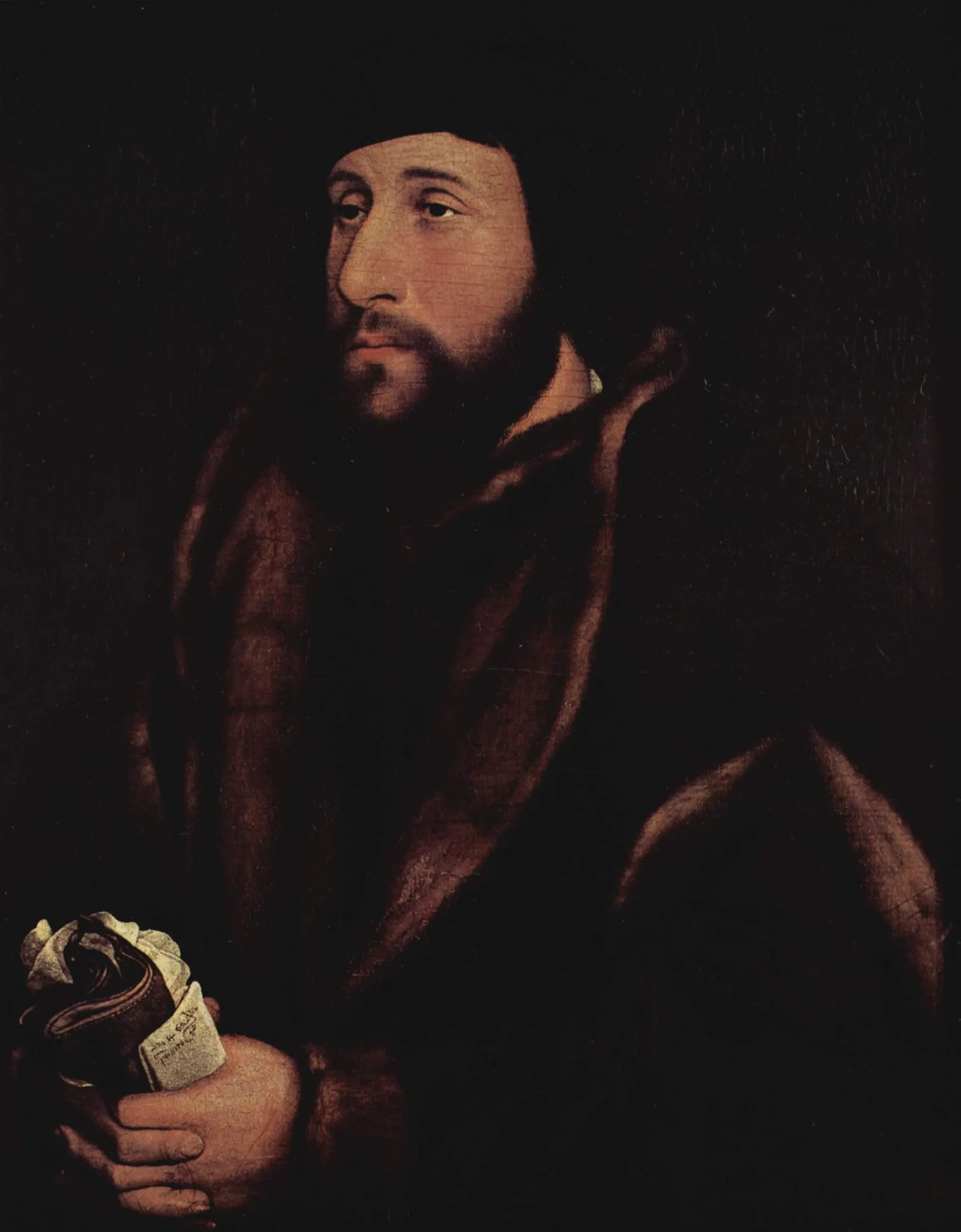
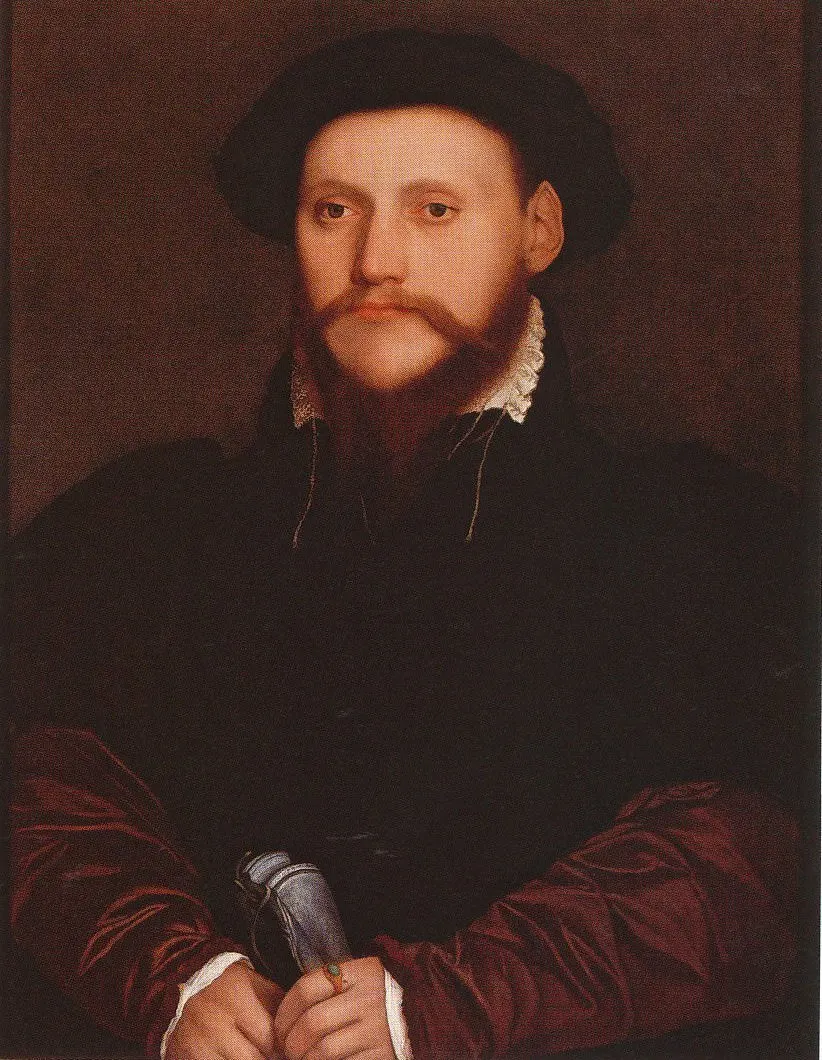
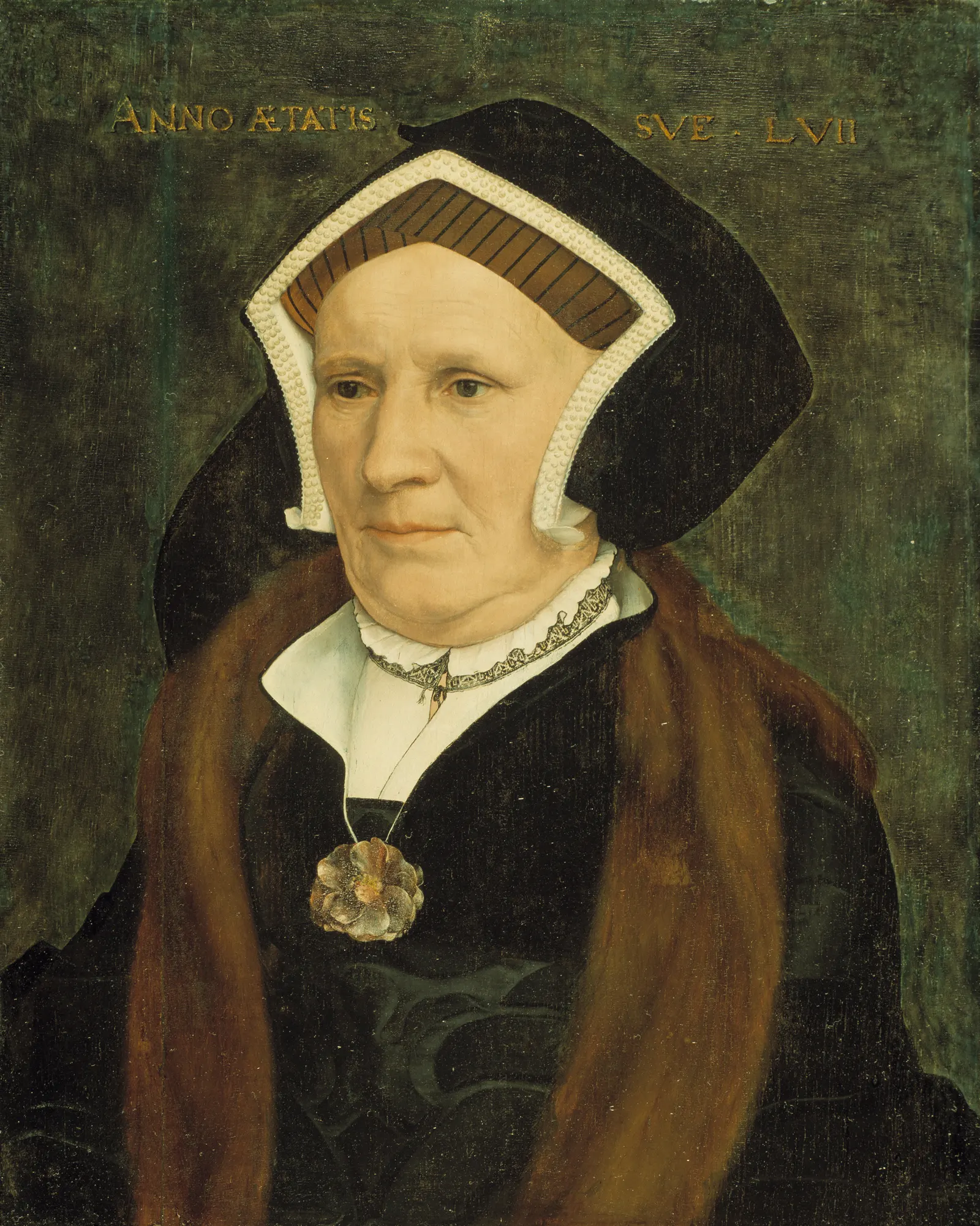
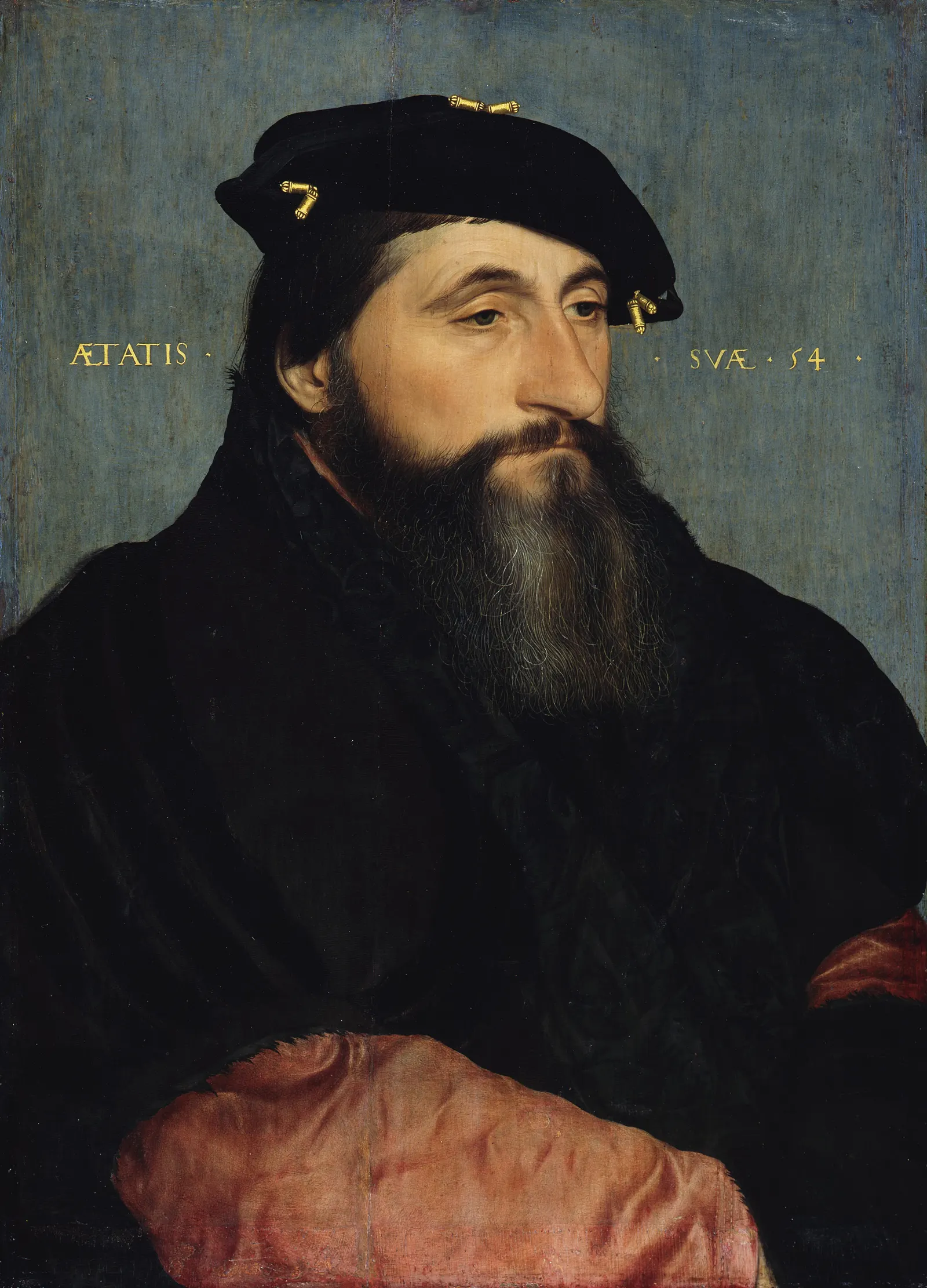
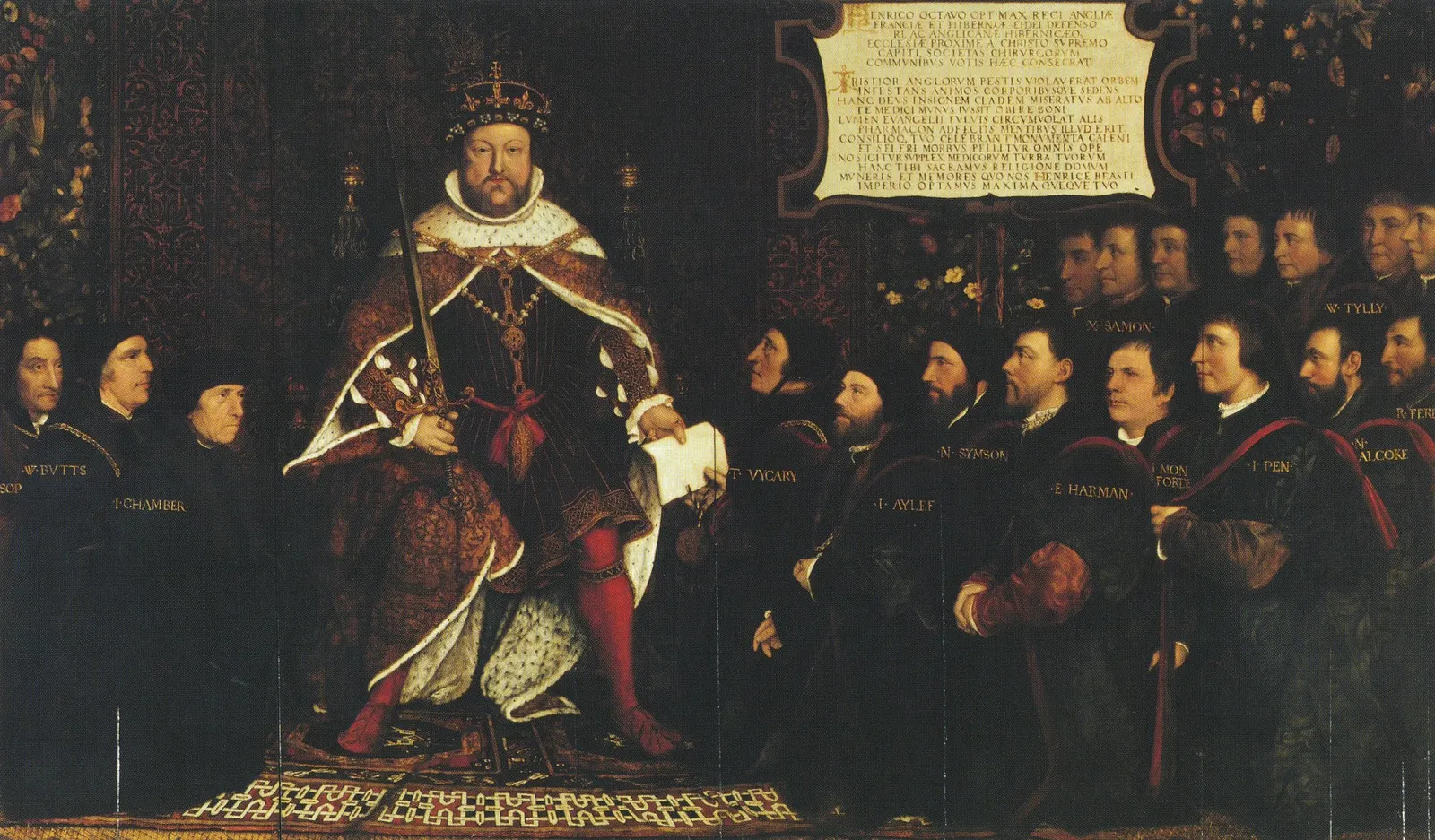
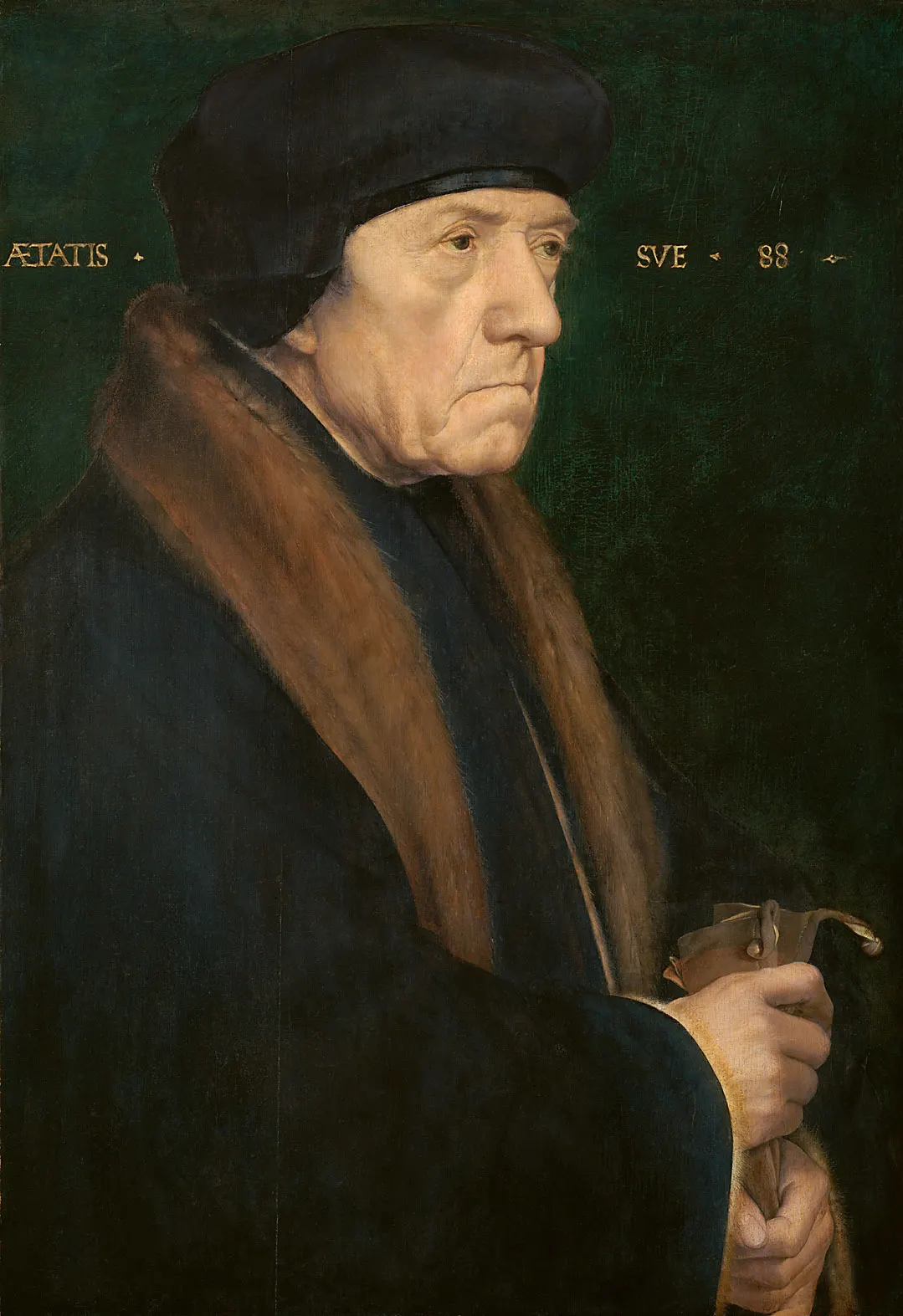
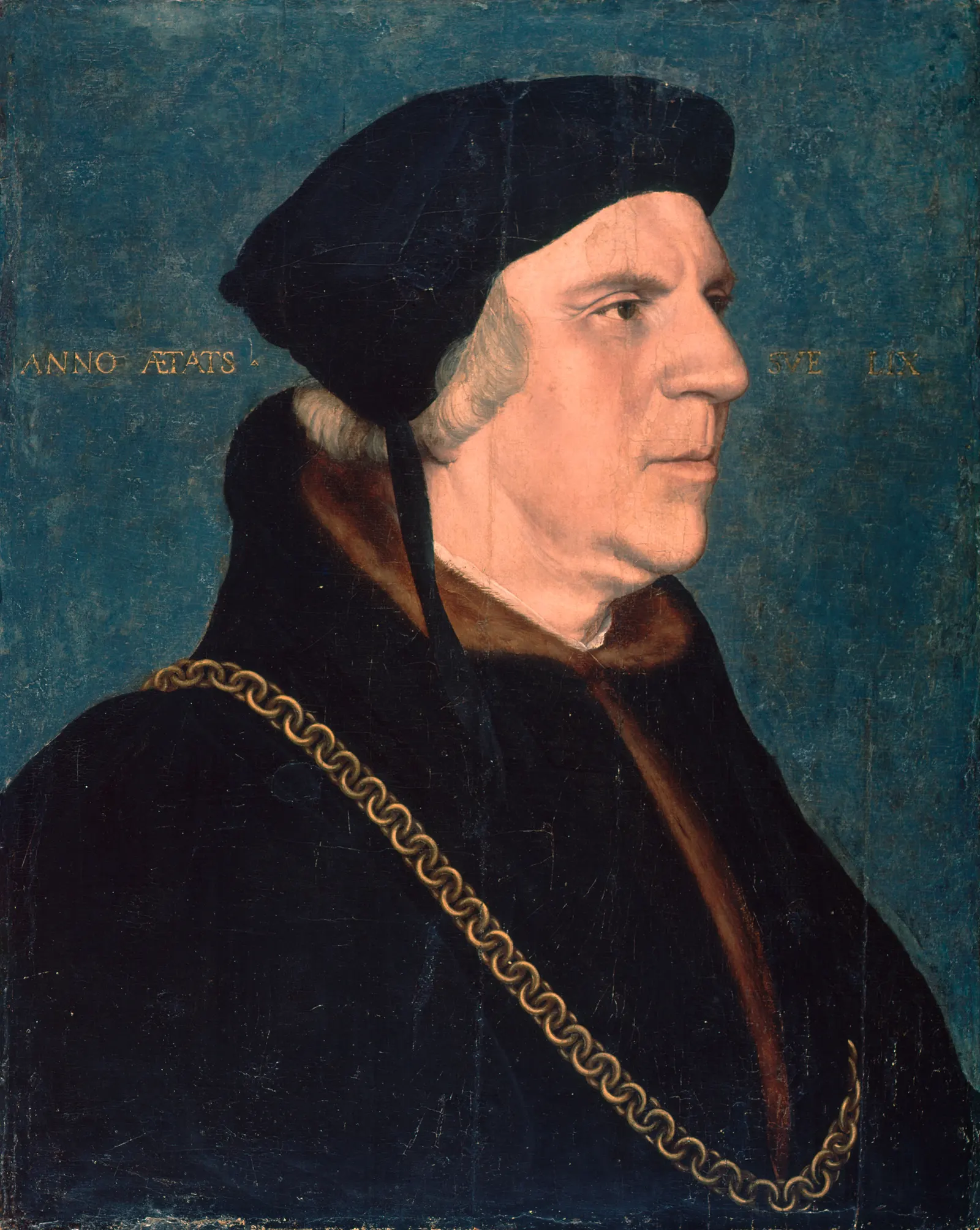
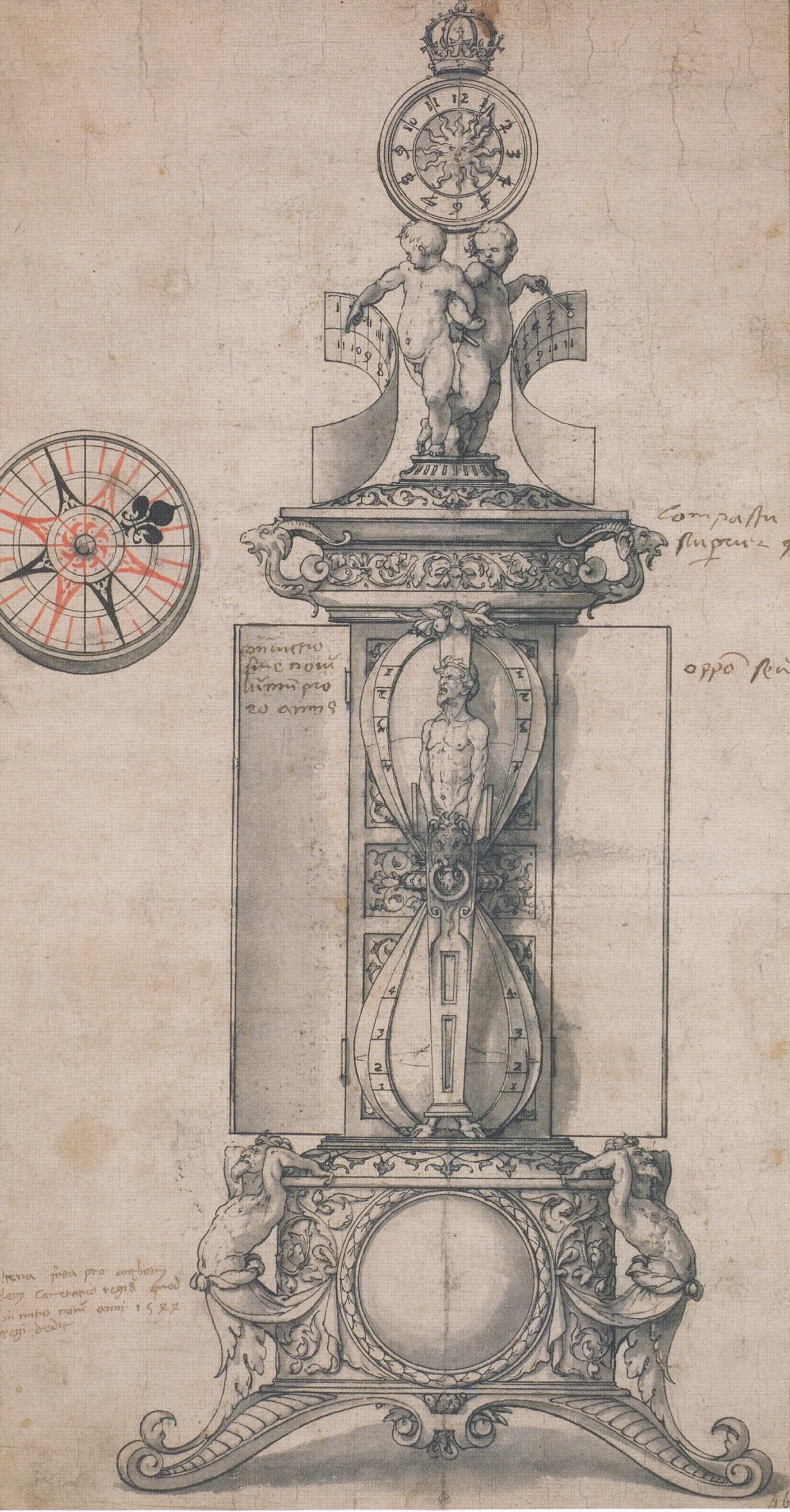
From 1532 he worked mainly in London, and by 1536 he was King’s Painter to Henry VIII. His portraits of the king, the court, foreign envoys and the German merchants of the Steelyard shape how we picture Tudor England. He also painted miniatures and designed jewellery, metalwork and book decoration. He died in London in 1543.
1497/98
Born in Augsburg, the son of the painter Hans Holbein the Elder, in whose workshop he and his elder brother Ambrosius trained.
Sources: nationalgallery.org.uk, hls-dhs-dss.ch
1515
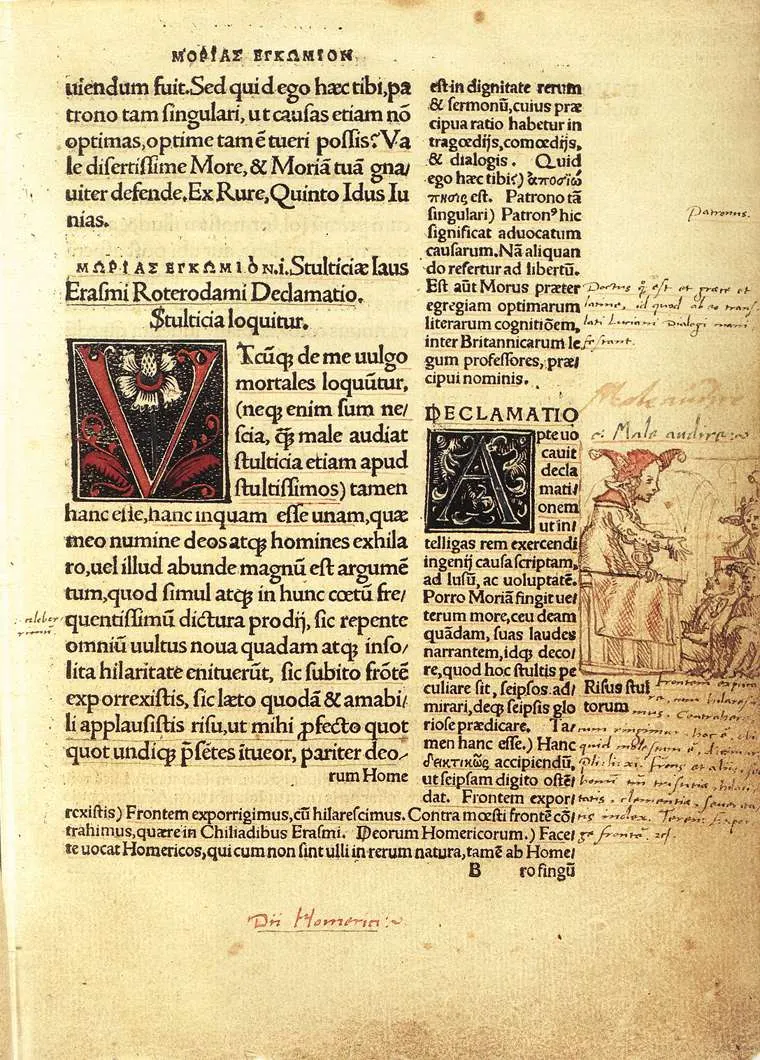
Working in Basel, probably as a journeyman with the painter Hans Herbster. With Ambrosius he draws in the margins of a copy of Erasmus’s Praise of Folly for the schoolmaster Oswald Myconius.
Sources: en.wikipedia.org, hls-dhs-dss.ch
12 works dated 1515 to 1516
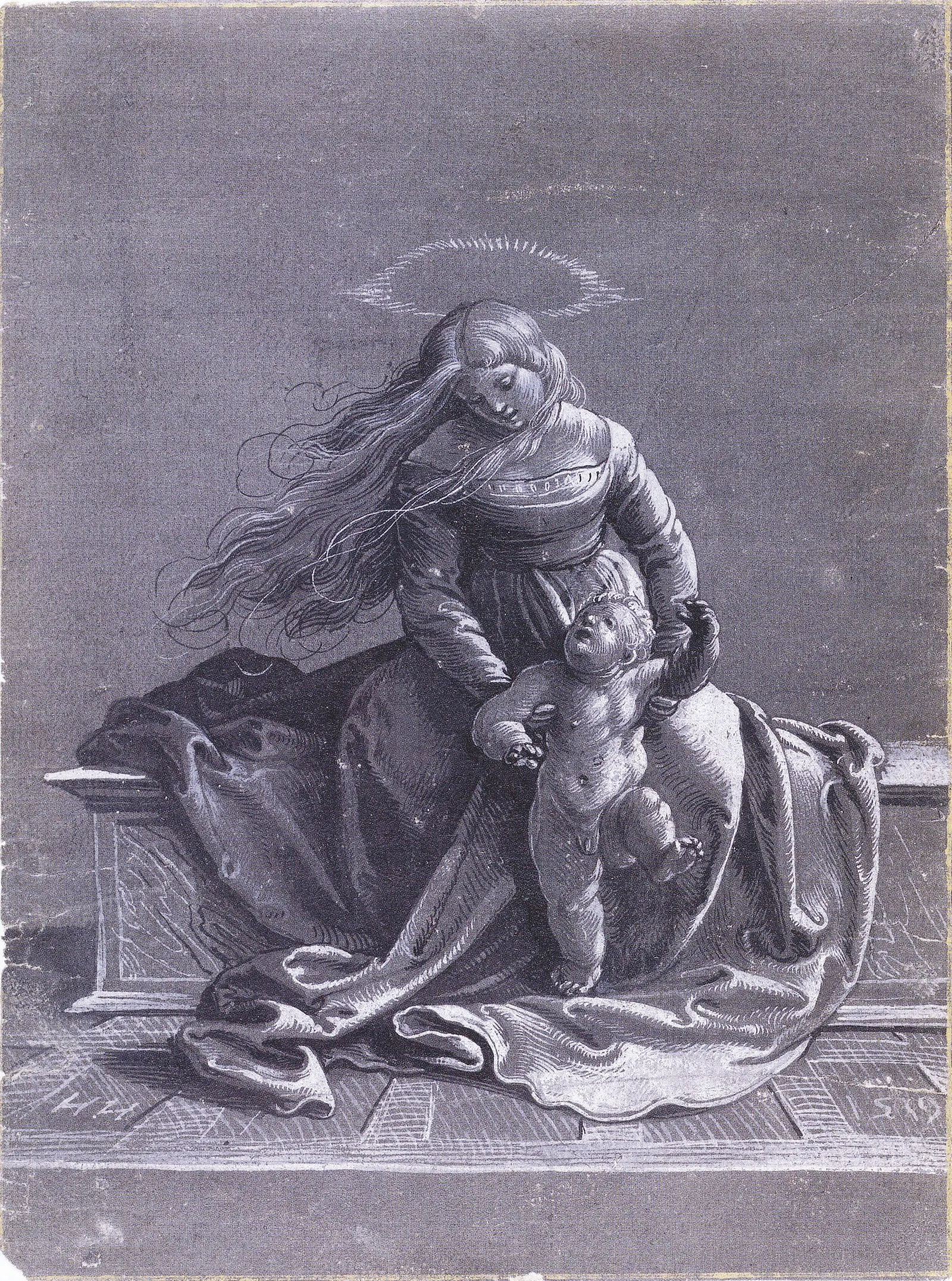
1517–19
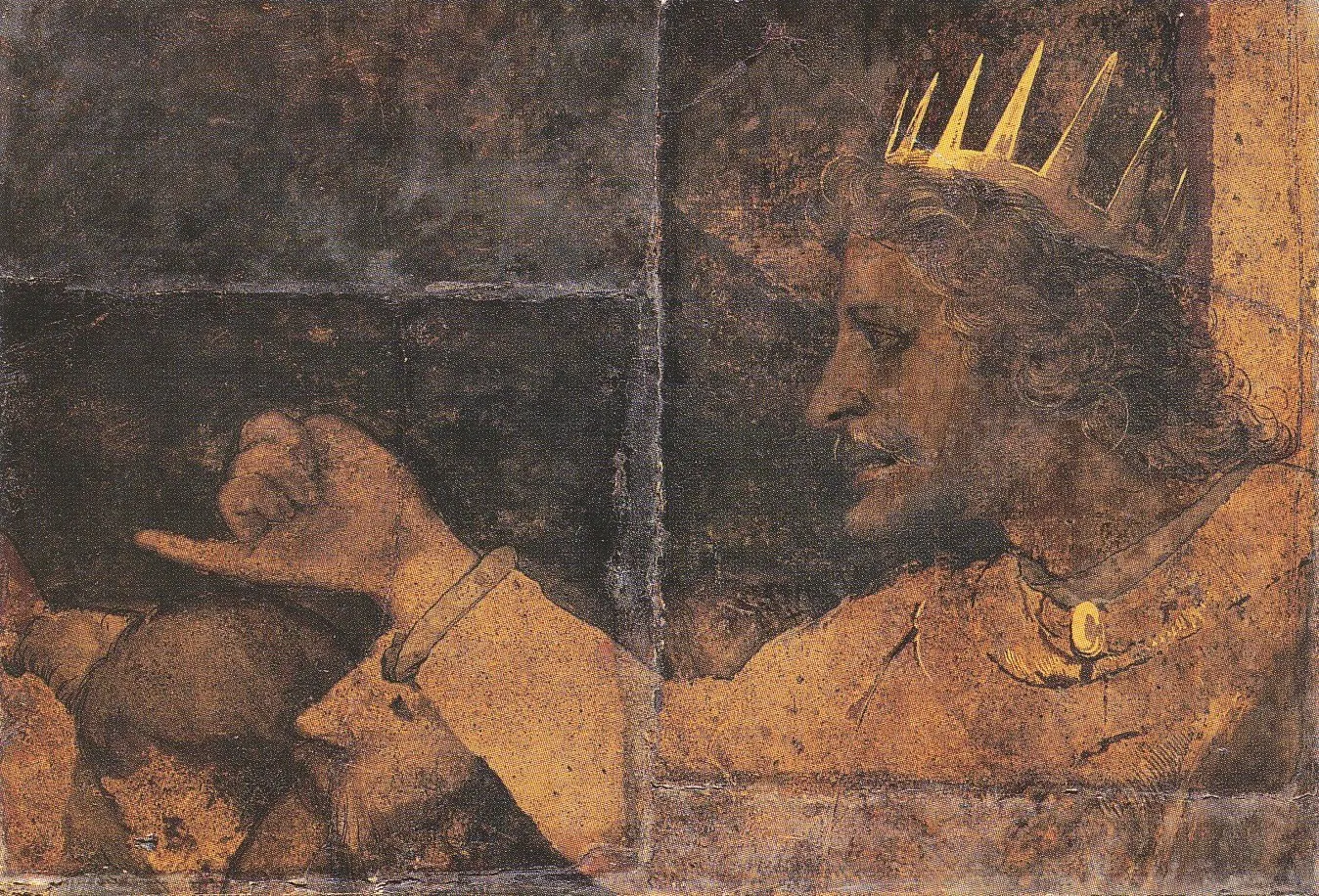
In Lucerne, probably with his father, painting murals for the house of the merchant Jakob von Hertenstein. He probably visits northern Italy during this stay.
Sources: hls-dhs-dss.ch, en.wikipedia.org
28 works dated 1517 to 1519
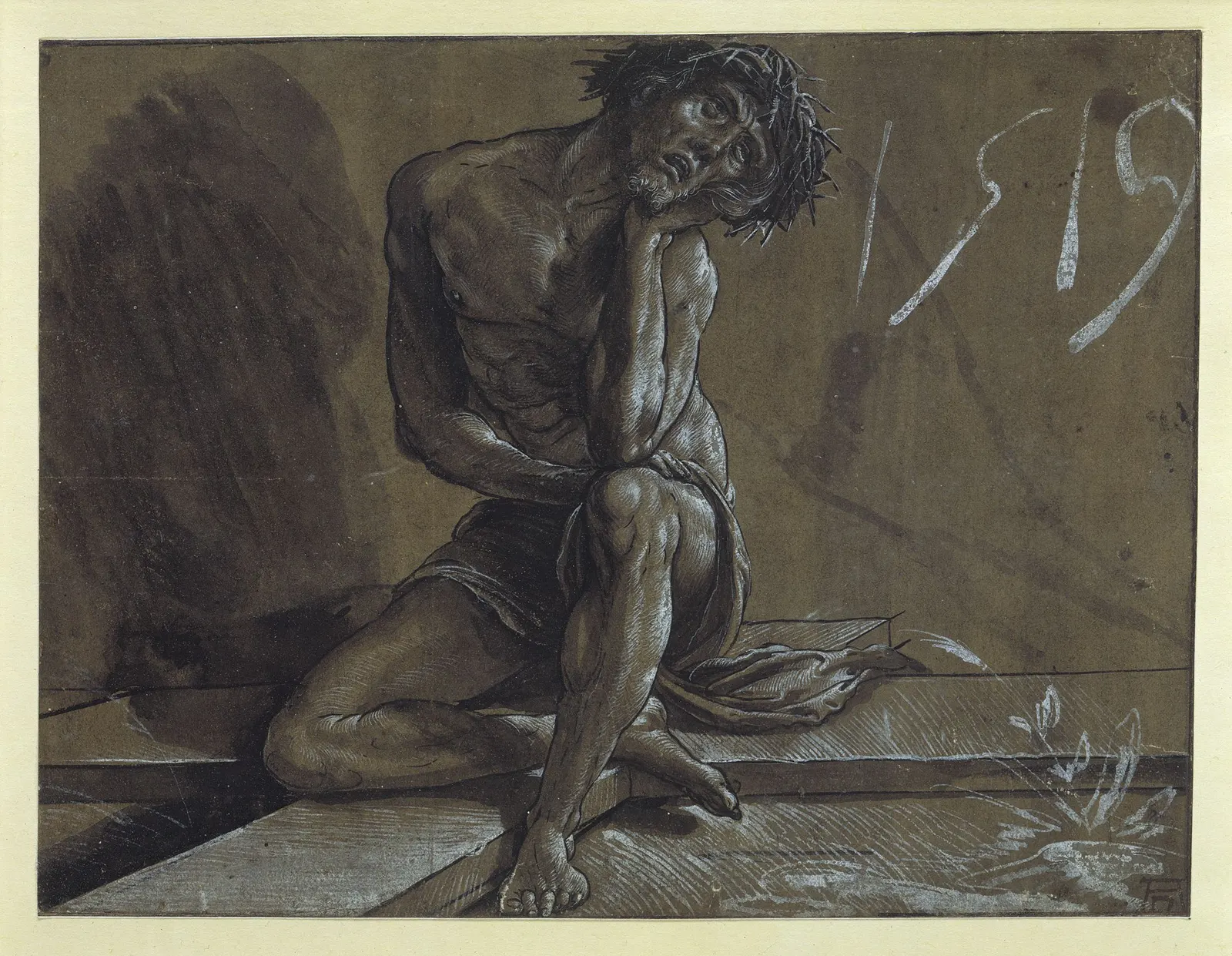
1519
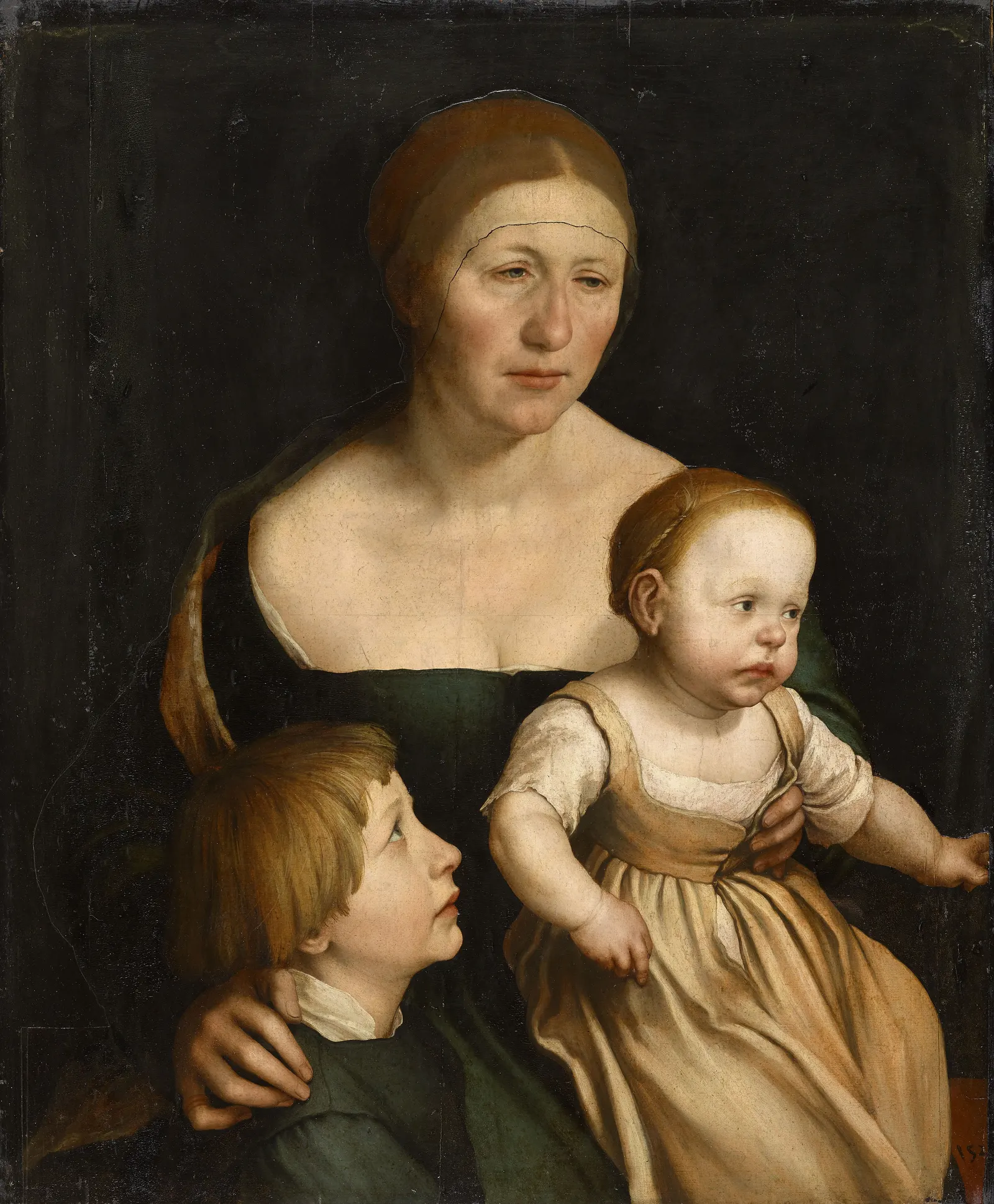
Back in Basel, he joins the painters’ guild Zum Himmel. Around this time he marries Elsbeth Binsenstock, a tanner’s widow; they have four children.
Sources: hls-dhs-dss.ch, deutsche-biographie.de, en.wikipedia.org
14 works dated 1519
1520
Becomes a citizen of Basel.
Sources: deutsche-biographie.de, hls-dhs-dss.ch
48 works dated 1520 to 1522
1523
Paints his first portraits of Erasmus. The scholar sends them to friends abroad, and they make Holbein’s name outside Basel.
Sources: nationalgallery.org.uk, en.wikipedia.org
114 works dated 1523
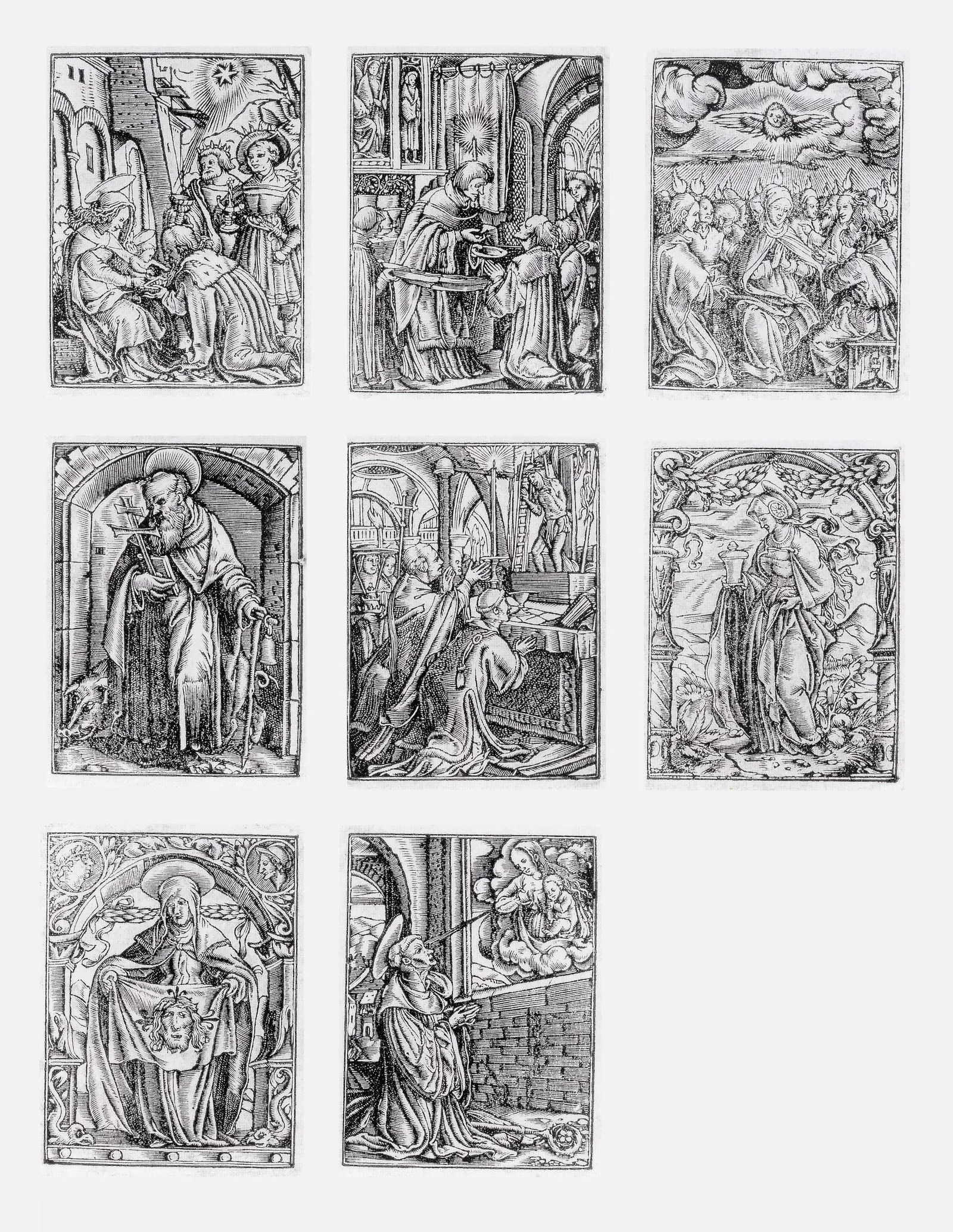
c. 1523–26
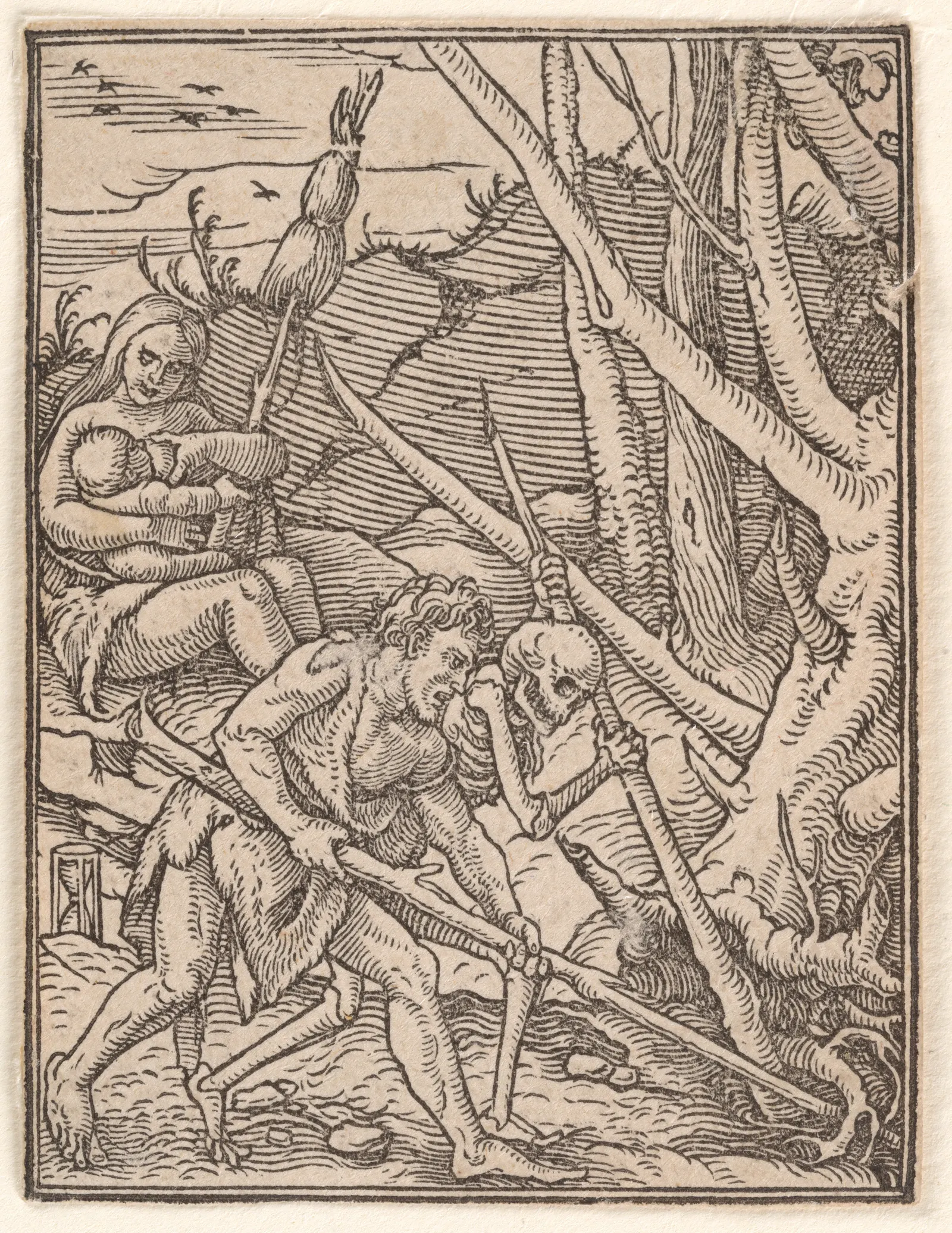
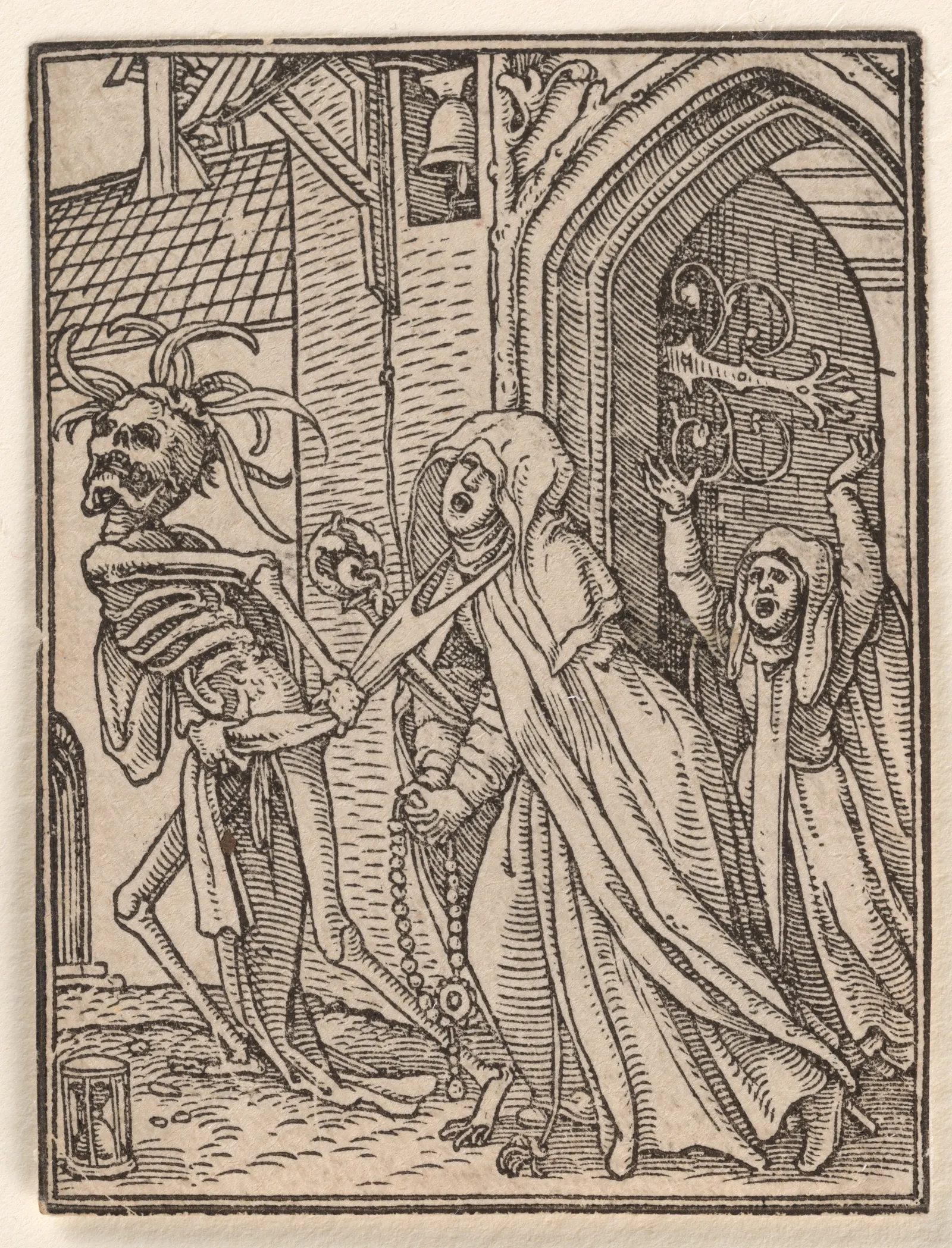
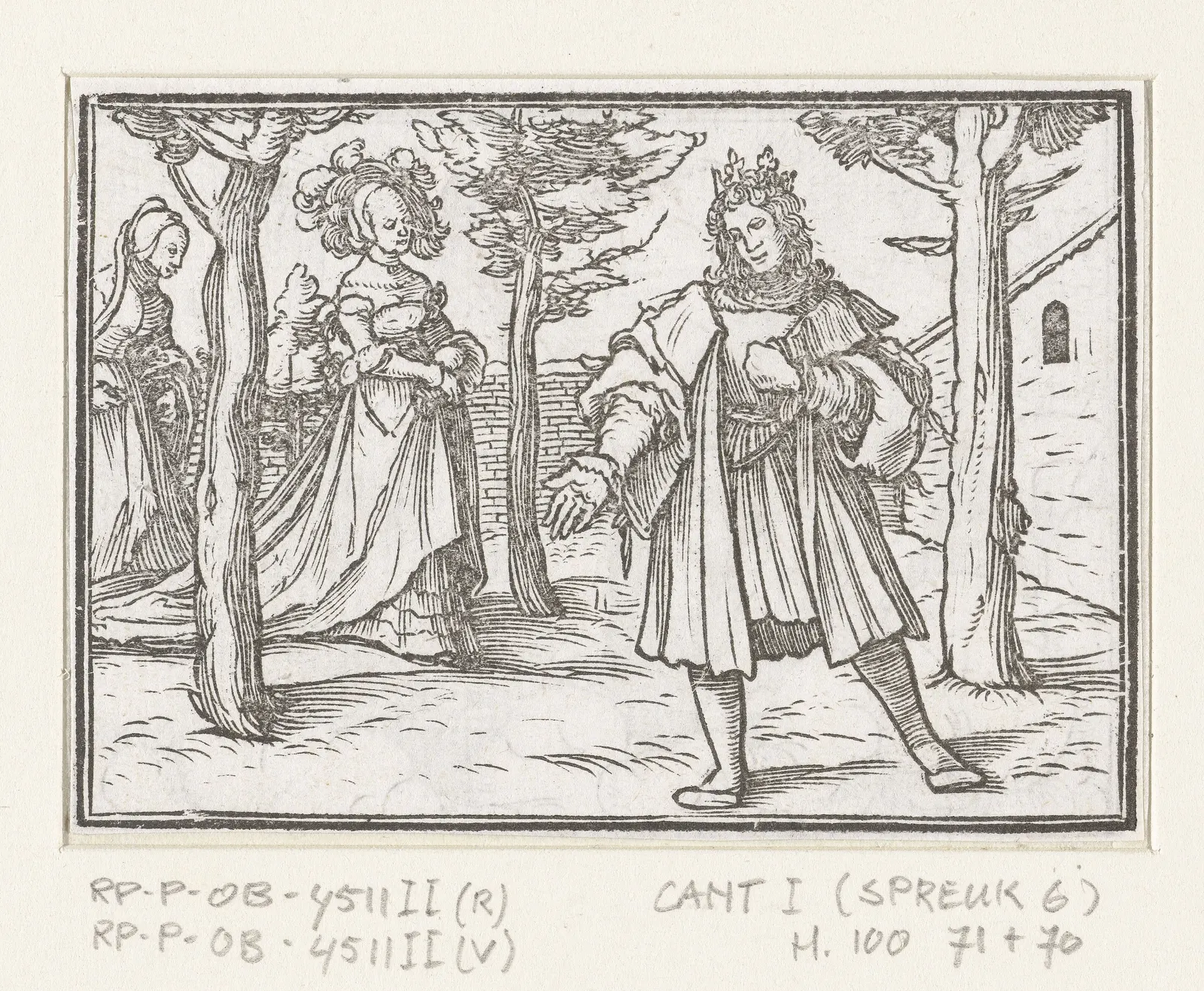
Designs the Dance of Death woodcuts. Hans Lützelburger cuts 41 of them before his death in 1526; they are first published as a book in Lyon in 1538.
Sources: en.wikipedia.org, en.wikipedia.org
147 works dated 1523 to 1526
1526–28
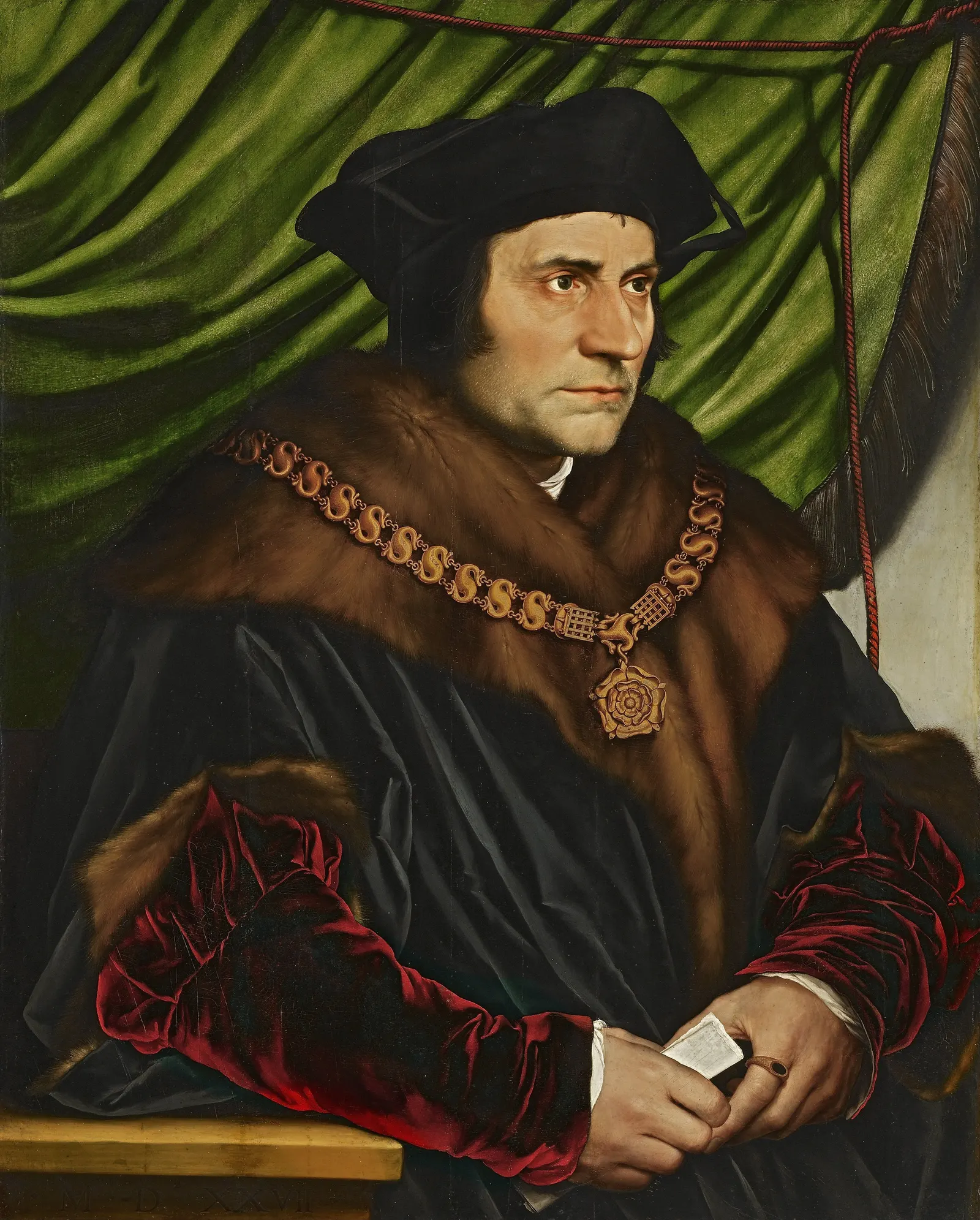
First stay in England, with a recommendation from Erasmus. Thomas More takes him up; he paints More’s portrait in 1527 and a group portrait of his family, now known only from a drawing and copies.
Sources: collections.frick.org, en.wikipedia.org
53 works dated 1526 to 1528
1528
Returns to Basel as his leave of absence ends, and buys a house there in August.
Sources: en.wikipedia.org
18 works dated 1528
1529
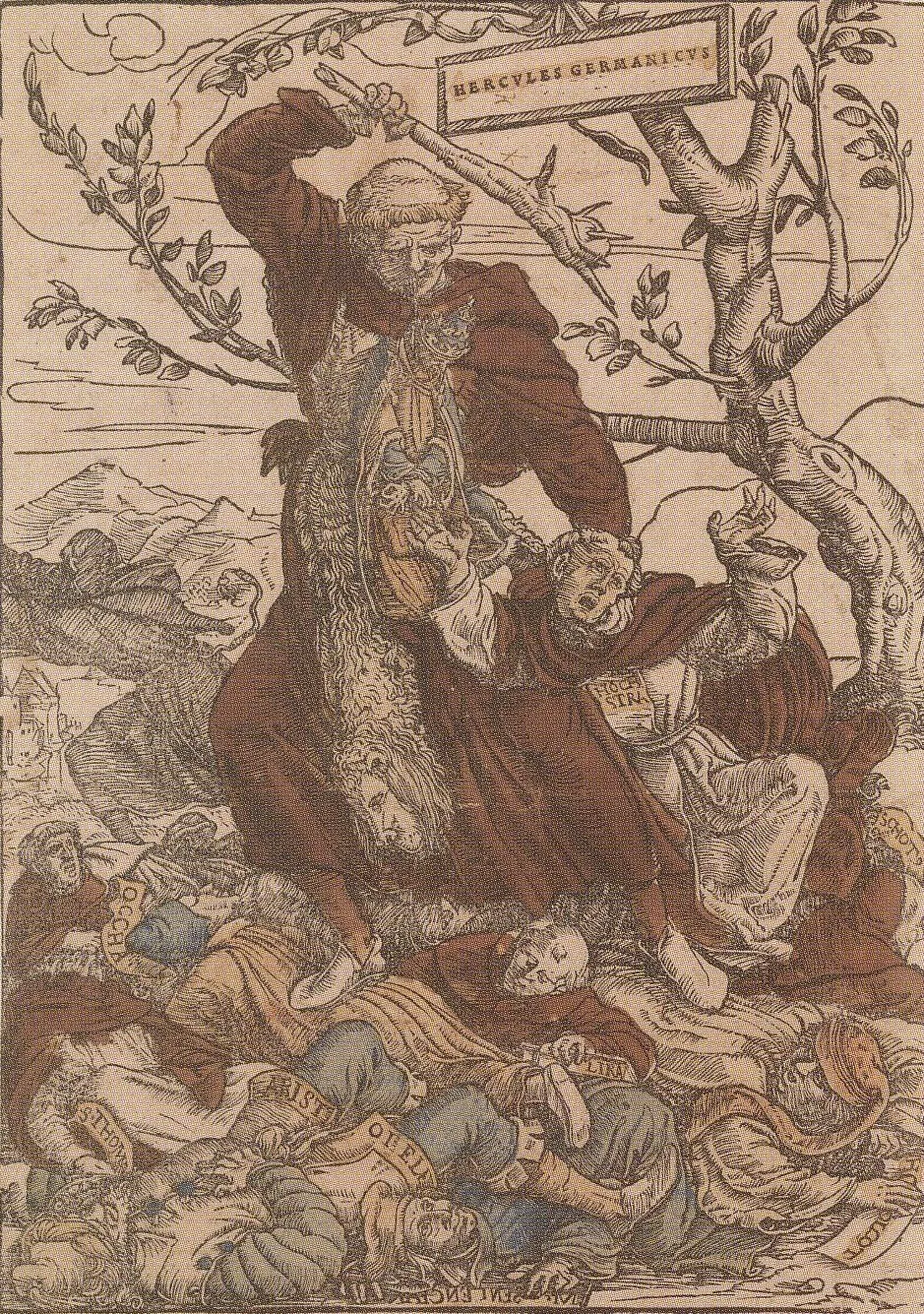
Reformers strip the images from Basel’s churches. In 1530 he is called to account for missing the reformed communion.
Sources: en.wikipedia.org, hls-dhs-dss.ch
9 works dated 1529 to 1531
1532
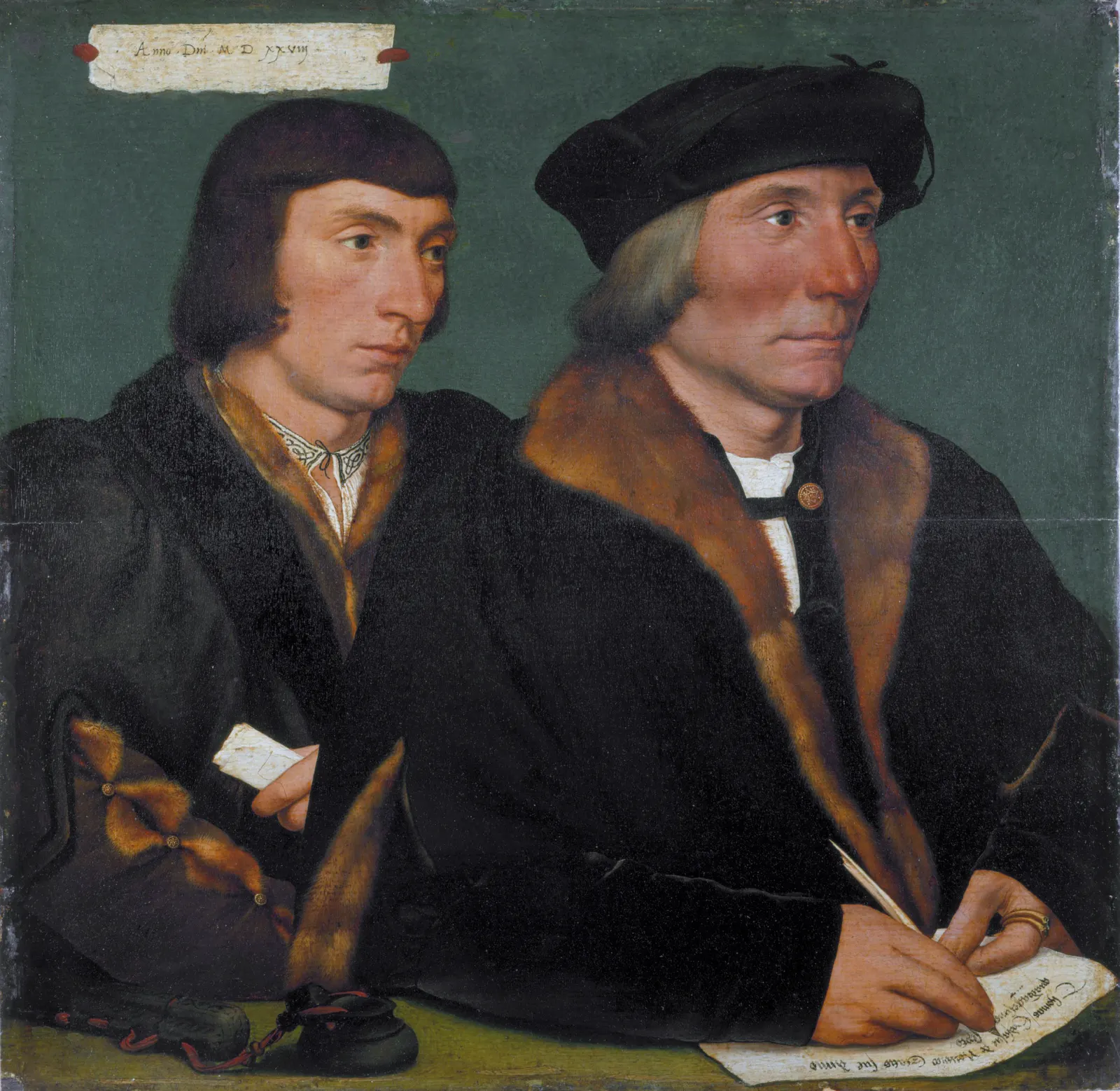
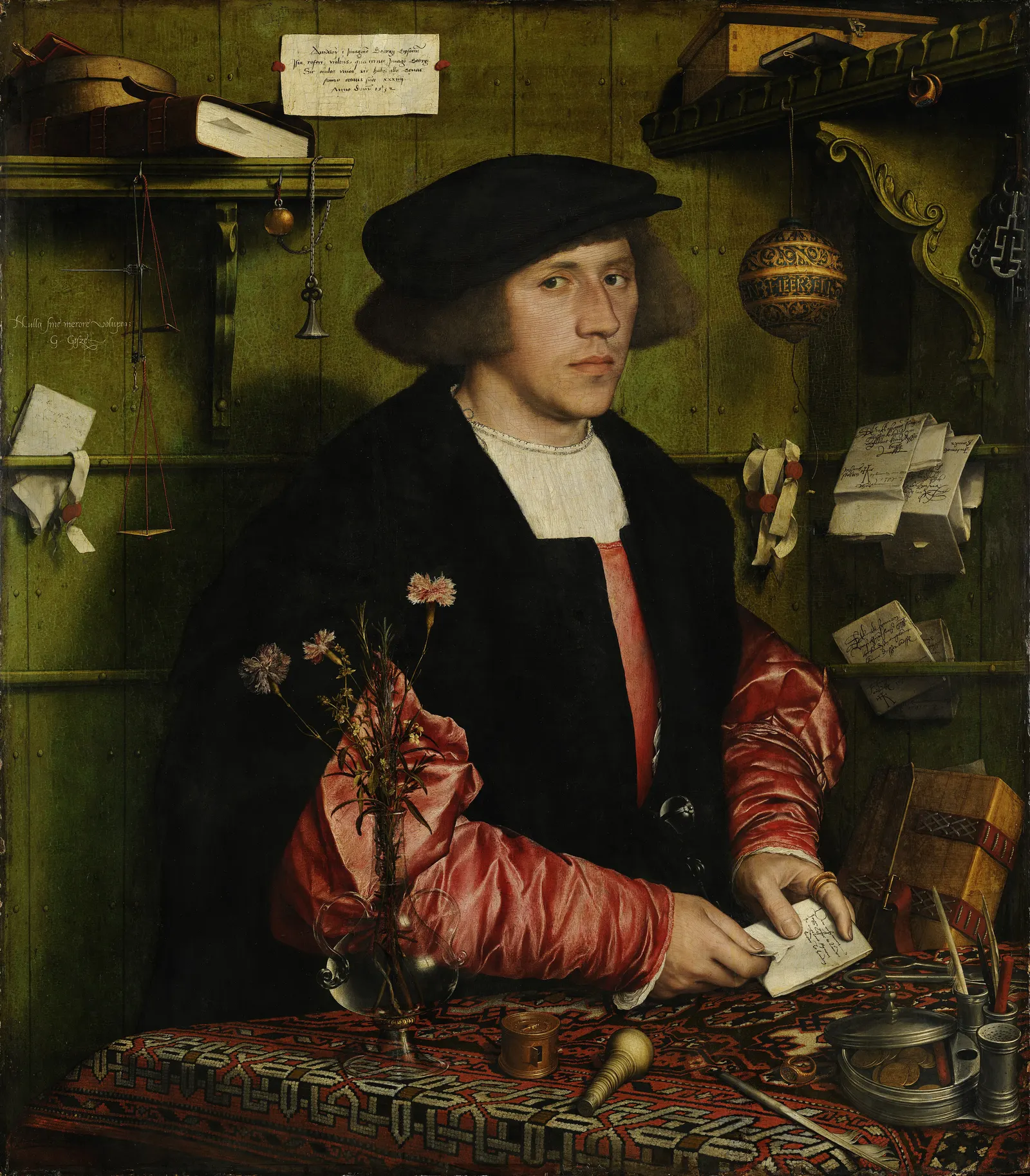
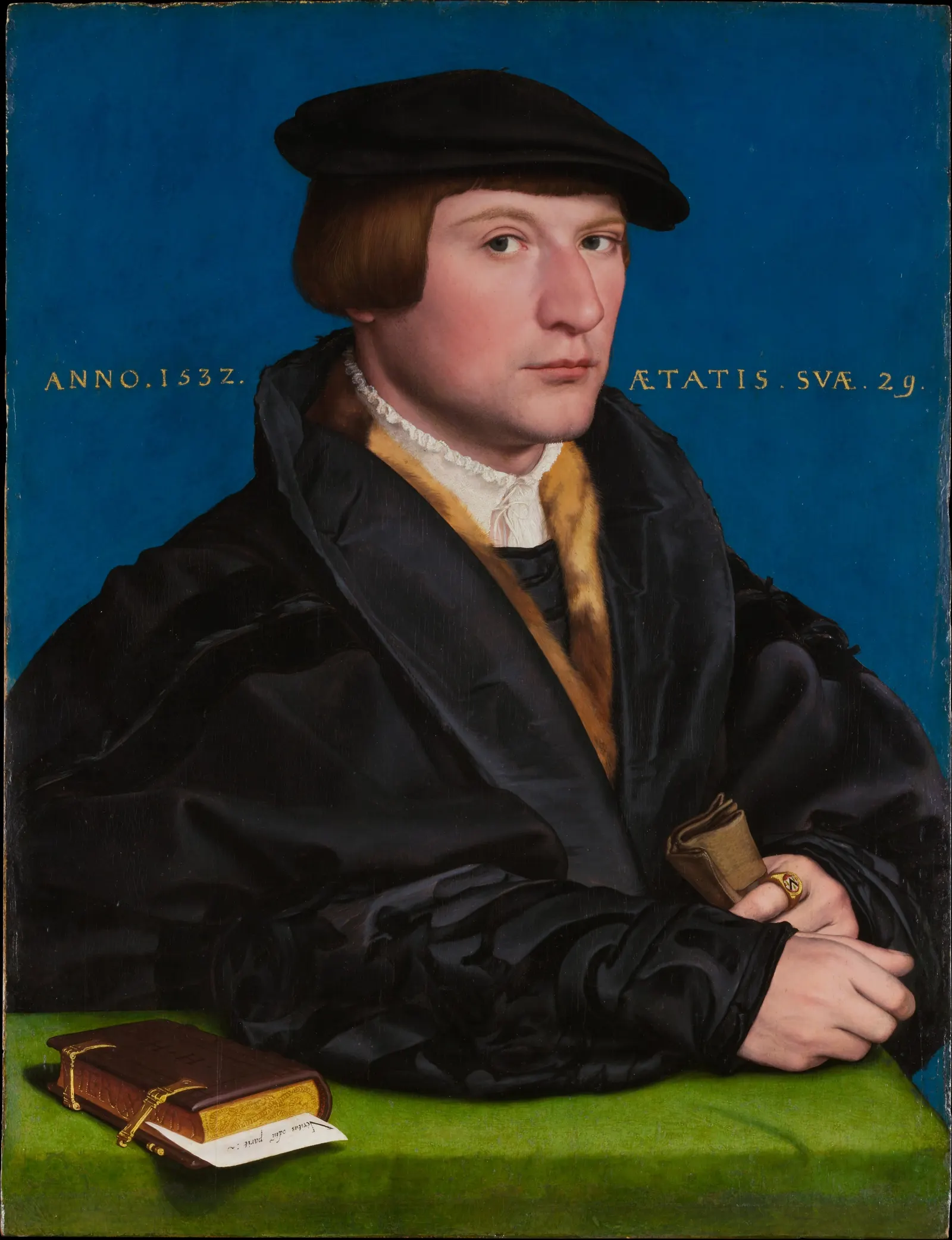
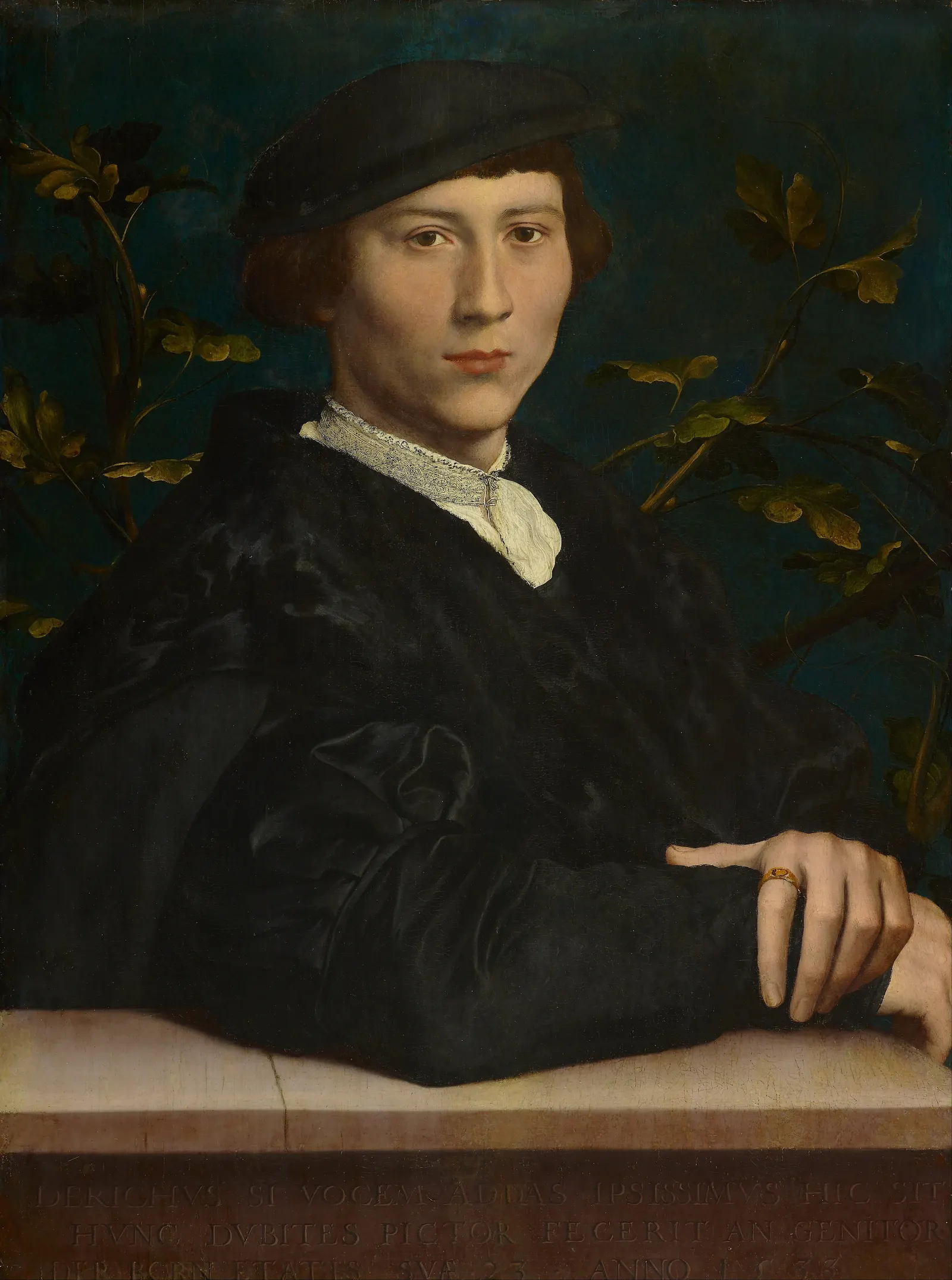
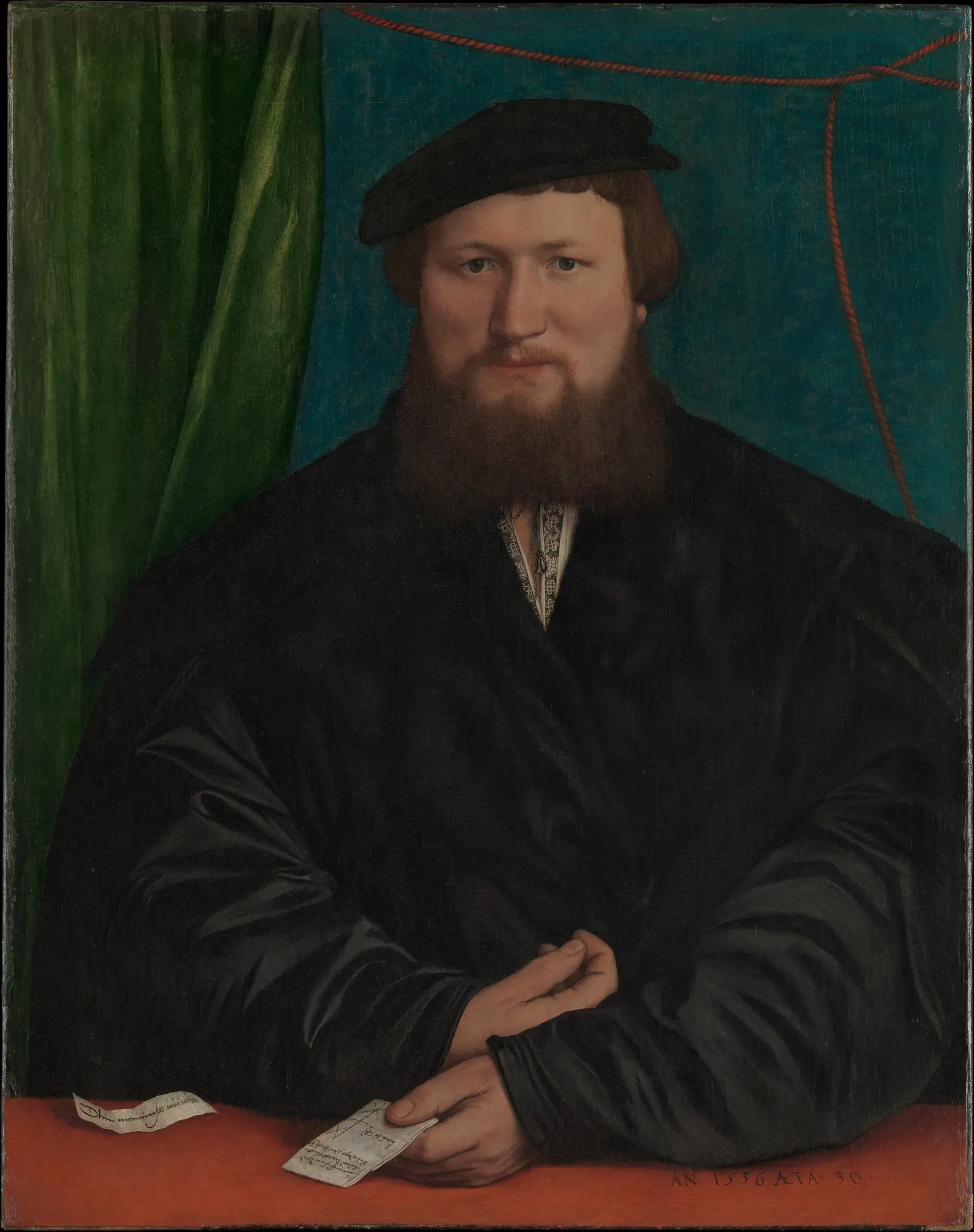
Settles in England. Early clients include the Hanseatic merchants of the Steelyard in London, among them Georg Giese.
Sources: en.wikipedia.org, hls-dhs-dss.ch
66 works dated 1532
1533
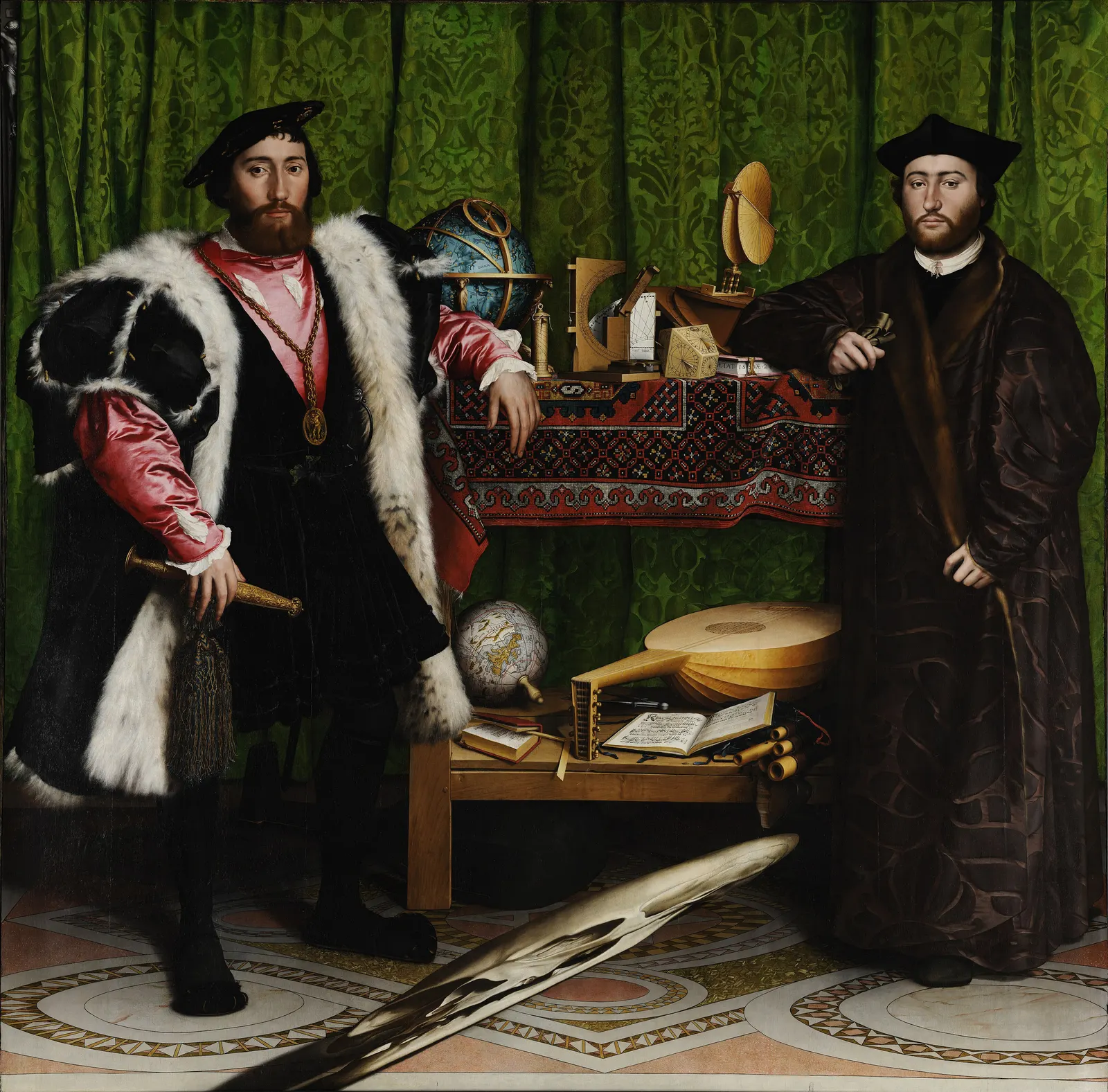
Paints The Ambassadors, a double portrait of the French envoy Jean de Dinteville and Georges de Selve.
Sources: nationalgallery.org.uk
49 works dated 1533 to 1535
1536
By now employed as King’s Painter to Henry VIII, on a salary of £30 a year.
Sources: en.wikipedia.org, collections.frick.org
21 works dated 1536 to 1537
1538
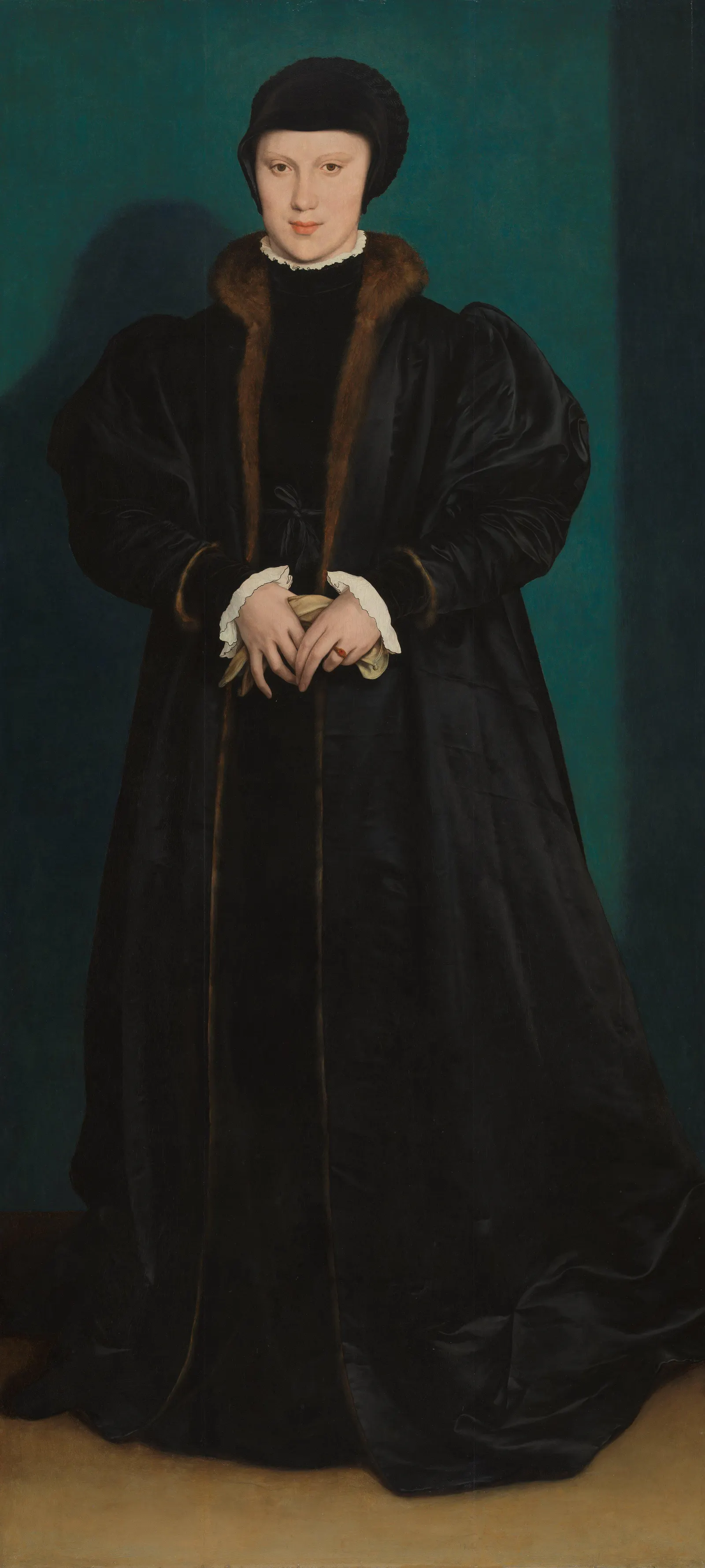
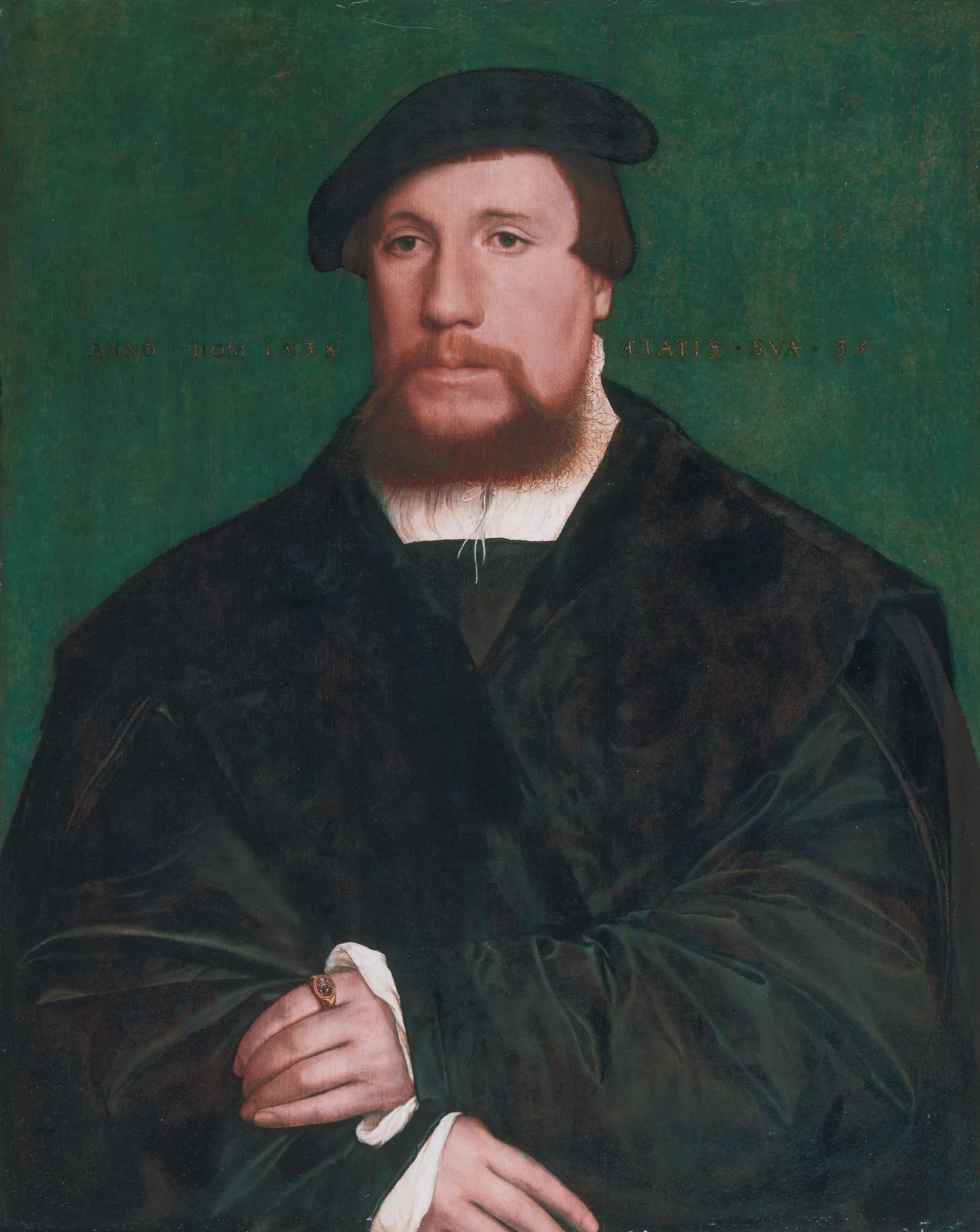
Henry sends him to Brussels to portray Christina of Denmark, the 16-year-old widowed Duchess of Milan, as a possible fourth wife. She sits for him for three hours.
Sources: nationalgallery.org.uk
96 works dated 1538
1539
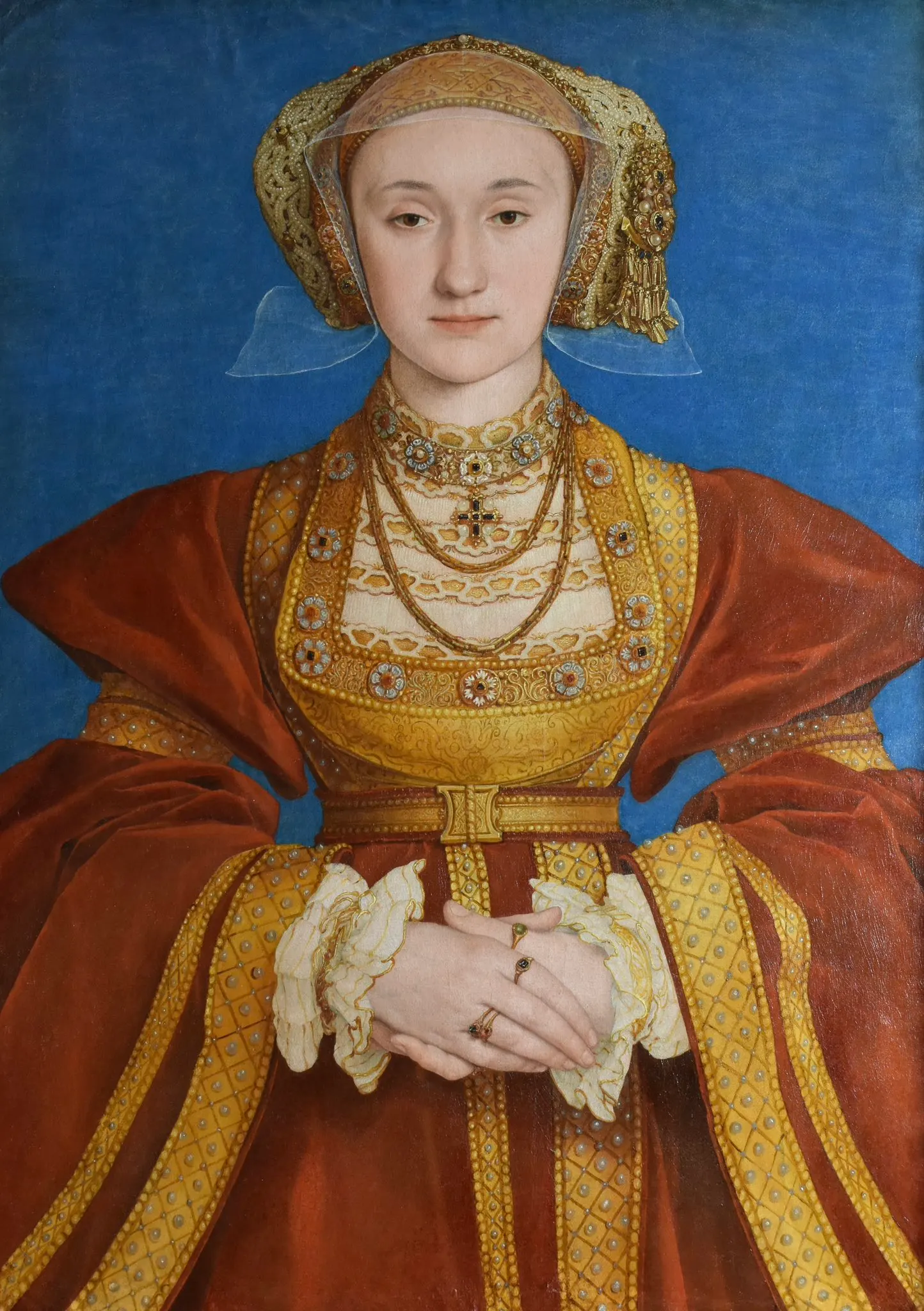
Portrays Anne of Cleves for the king. Henry marries her in January 1540 and has the marriage annulled that July.
Sources: collections.louvre.fr, en.wikipedia.org
21 works dated 1539 to 1542
1543
Makes his will at his home in Aldgate on 7 October and is dead by 29 November, probably of plague, though the cause is not certain.
Sources: en.wikipedia.org, nationalgallery.org.uk
6 works dated 1543